
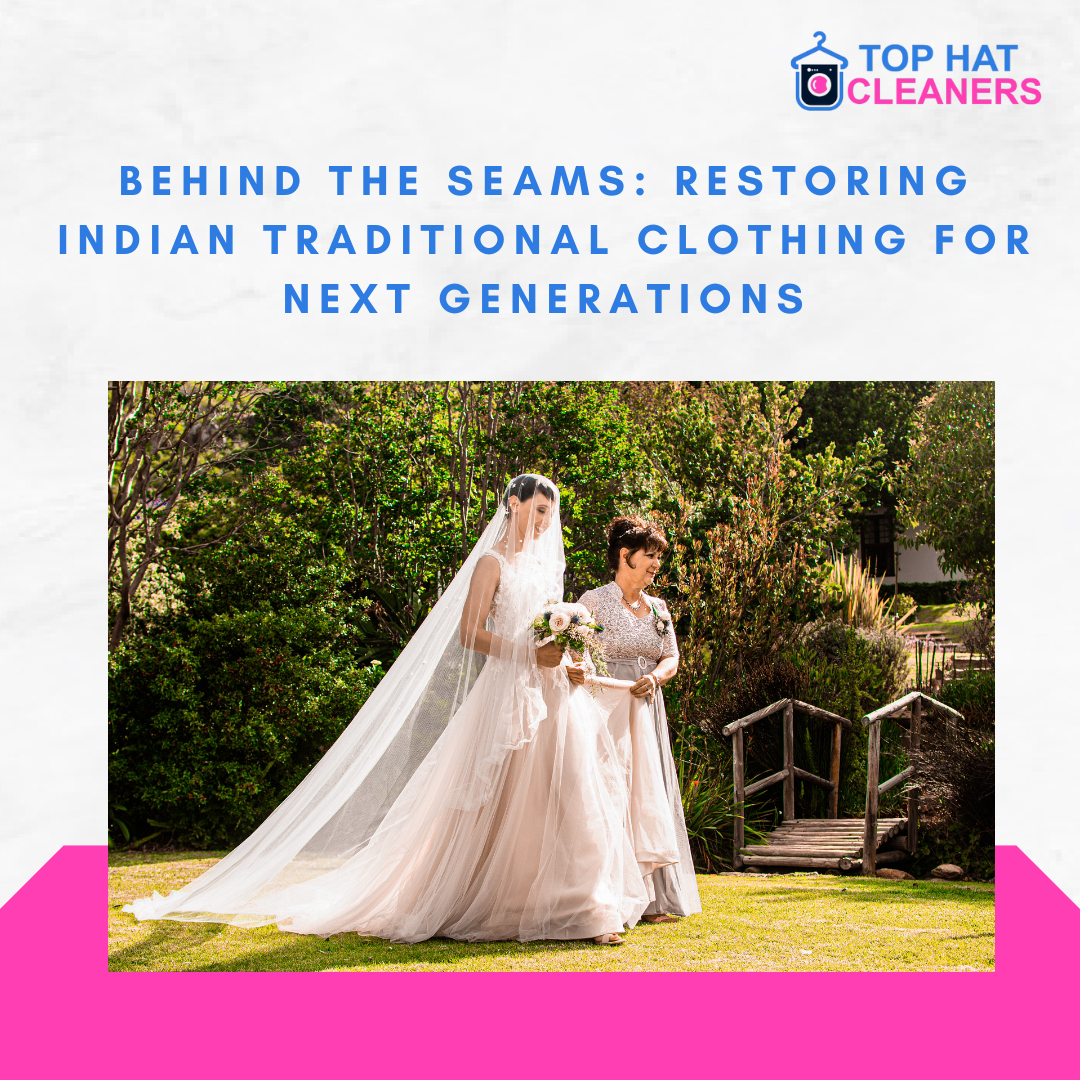
Indian traditional garments are more than outfits — they are heirlooms woven with history, emotion, and craftsmanship. Whether it’s a silk saree worn at a wedding, a sherwani passed down through generations, or a heavily embroidered lehenga, preserving these treasures requires expert traditional clothing maintenance.
In Dallas, where cultural celebrations and weddings are vibrant year-round, proper indian clothes dry cleaning and restoration services are essential to ensure these garments last for decades.
Let’s explore how professional restoring clothes services can protect your investment and heritage.
Why Traditional Clothing Maintenance Matters
Indian garments are crafted with delicate fabrics like:
- Pure silk
- Chiffon
- Velvet
- Banarasi brocade
- Zari and hand embroidery
- Mirror work and bead embellishments
These materials are highly sensitive to moisture, heat, friction, and improper storage. Regular laundering can damage fibers and fade colors.
Professional traditional clothing maintenance ensures:
- Color preservation
- Embroidery protection
- Fabric longevity
- Odor removal without harsh chemicals
- Safe long-term storage preparation
For Dallas families celebrating Diwali, Eid, Navratri, and wedding seasons, maintaining these garments properly prevents costly damage.
The Art of Indian Clothes Dry Cleaning
Not all dry cleaning services understand the complexity of ethnic wear. Indian clothes dry cleaning requires specialized knowledge of:
- Natural dyes
- Heavy zari work
- Stone and bead attachments
- Multi-layered stitching
When dry cleaning indian clothes, experts use:
1. Fabric-Specific Solvents
Gentle, non-water-based solutions prevent shrinkage and bleeding.
2. Hand Finishing Techniques
Avoiding machine stress protects delicate embroidery.
3. Spot Treatment Precision
Oil, turmeric, henna, and makeup stains are treated individually.
4. Controlled Drying
Prevents fabric distortion and metallic thread tarnishing.
In Dallas’ humid summers and fluctuating temperatures, professional cleaning also helps prevent mildew and fabric weakening.
Restoring Clothes: Bringing Heirlooms Back to Life
Over time, traditional garments may experience:
- Yellowing silk
- Loose embroidery
- Torn seams
- Faded borders
- Stubborn old stains
Professional restoring clothes services can reverse much of this damage.
Restoration Techniques Include:
- Re-weaving torn silk
- Re-securing zari and beadwork
- Color correction treatments
- Odor neutralization
- Structural reinforcement
For families in Dallas preserving wedding sarees or sherwanis for future generations, restoration is an investment in legacy.
Traditional Clothing Maintenance Tips (At Home)
While professional services are essential, here are some traditional clothing maintenance tips to protect your garments between cleanings:
1. Never Store in Plastic
Plastic traps moisture and causes yellowing. Use breathable muslin cloth instead.
2. Refold Every 3–6 Months
Prevent permanent crease lines in silk and brocade.
3. Avoid Direct Sunlight
Sun exposure fades dyes and weakens fibers.
4. Use Cedar, Not Mothballs
Mothballs leave odor and chemical residue.
5. Clean Before Storage
Even invisible sweat or perfume residue can cause fabric breakdown.
For best results, schedule professional indian clothes dry cleaning before long-term storage.
Why Dallas Residents Need Specialized Dry Cleaning for Indian Clothes
Dallas has a large and growing South Asian community. Wedding seasons, cultural festivals, and formal events mean traditional attire is worn frequently.
However, not every dry cleaner understands the craftsmanship behind these garments.
Choosing a specialist in dry cleaning indian clothes ensures:
- No thread pulling
- No shrinkage
- No embellishment loss
- No harsh chemical damage
Professionals trained in traditional clothing maintenance treat each piece individually — not like everyday garments.
When Should You Restore Instead of Replace?
You should consider restoring clothes if:
- The garment has sentimental value
- It’s a bridal or wedding piece
- The fabric quality is irreplaceable
- Damage is limited to seams or embroidery
- The cost of replacement exceeds restoration
In many cases, restoration costs far less than purchasing a new handcrafted piece.
Trending FAQs: Indian Clothes Dry Cleaning & Restoration (2026)
How often should I dry clean Indian traditional clothing?
Ideally after every 2–3 wears, or immediately after weddings and events to prevent stain setting.
Can dry cleaning damage zari work?
Improper dry cleaning can. Professional indian clothes dry cleaning uses low-impact techniques to protect metallic threads.
How much does dry cleaning Indian clothes cost in Dallas?
Pricing varies based on fabric, embellishments, and garment complexity. Bridal wear costs more due to hand detailing and inspection time.
Can old yellowed silk sarees be restored?
Yes, depending on fiber integrity. Professional restoring clothes services can reduce yellowing and reinforce weakened areas.
Is steam safe for lehengas and sherwanis?
Controlled steam is safe when done professionally. Home steamers can loosen glue-based embellishments.
What’s the best way to store wedding sarees long term?
Clean professionally, wrap in muslin cloth, store flat in a cool, dry place, and refold periodically.
Can turmeric and oil stains be removed from Indian clothes?
Yes — but immediate professional treatment offers the best results.
Preserve Your Heritage with Expert Traditional Clothing Maintenance in Dallas
Indian garments represent culture, artistry, and family history. Whether you need routine indian clothes dry cleaning or full restoring clothes services, trusting specialists ensures your treasured attire remains vibrant for generations.
If you’re in Dallas and want expert care for your sarees, lehengas, sherwanis, or other traditional garments, professional dry cleaning indian clothes services can help preserve your heritage — stitch by stitch.
