
Activewear and workout leggings are staples in Dallas wardrobes, from fitness enthusiasts to busy professionals juggling exercise with daily life. But as these clothes are engineered with specialty fabrics for breathability, sweat-resistance, and stretch, the question arises: can these items really be dry cleaned, or should Dallas residents rely on home care and wash-and-fold laundry services instead? This detailed guide answers that question and more, exploring the “Dry cleaning for Athletic Wear” and “Leggings Dry cleaning” process, while highlighting the fabric science and best care practices for technical apparel.
The Science of Athletic Fabrics
Workout leggings and athletic apparel have transformed thanks to technical materials like polyester, nylon, spandex, and elastane. These fabrics deliver crucial benefits:
Moisture wicking and breathability
Durability through repeated wear
Enhanced stretch and comfort
However, their performance relies on the integrity of microfibers and elastic panels. Mechanical stress (from regular machine washing), heat, and harsh chemicals quickly break down these garments—making your favorite leggings fade, pill, or lose shape sooner than expected.
Dry Cleaning for Athletic Wear in Dallas
When Is Dry Cleaning Recommended?
Most activewear is labeled “machine wash cold” or “hand wash.” However, certain situations call for dry cleaning:
“Dry clean only” label or decorative mesh/intricate paneling
High-value designer leggings or luxury yoga pants
Persistent odor, oil stains, sweat build-up not removed by home washing
Need to preserve technical finish and elasticity after heavy use
Dallas dry cleaners, such as Top Hat Cleaners and Hill Park Cleaners, specialize in these scenarios, offering flexible solutions including wet cleaning (a gentle, water-based professional process) and eco-friendly solvent-based dry cleaning suitable for advanced synthetic fabrics.
What Is the Dry Cleaning Process?
The dry cleaning process uses solvents—like hydrocarbon or silicon-based, which are milder than old-school perchloroethylene—to dissolve grime and sweat from fibers without immersing the garment in water. Dallas cleaning pros:
Pre-inspect for delicate features, logos, bonded seams, or mesh panels
Select appropriate eco-solvents to protect stretch and fiber integrity
Gently agitate and restore original shape and feel
Results: Odors and deep stains are removed, and elastic/stretch properties are retained for longer, even after repeated cleans.
Leggings Dry Cleaning: Benefits and Limitations
Advantages
Preserves fit and finish: No shrinkage or misshaping
Removes stubborn odors/stains: Professional detergents and technology outperform home methods
Convenience: Pickup/delivery, quick turnaround, and expert folding, all popular in Dallas
Green choice: Local cleaners now favor sustainable, non-toxic solutions that are gentle on apparel and better for the environment
Limitations
Not all leggings or workout clothes can be dry cleaned; check the manufacturer’s care label, as some synthetics (nylon, polyester) can be damaged by certain chemicals
Some finishes (water-repellent, reflective) may degrade faster if frequently dry cleaned
Home care still needed for everyday washing—dry cleaning is best reserved for special occasions, persistent stains, or technical/luxury garments
How Dallas Professionals Are Changing Activewear Laundry
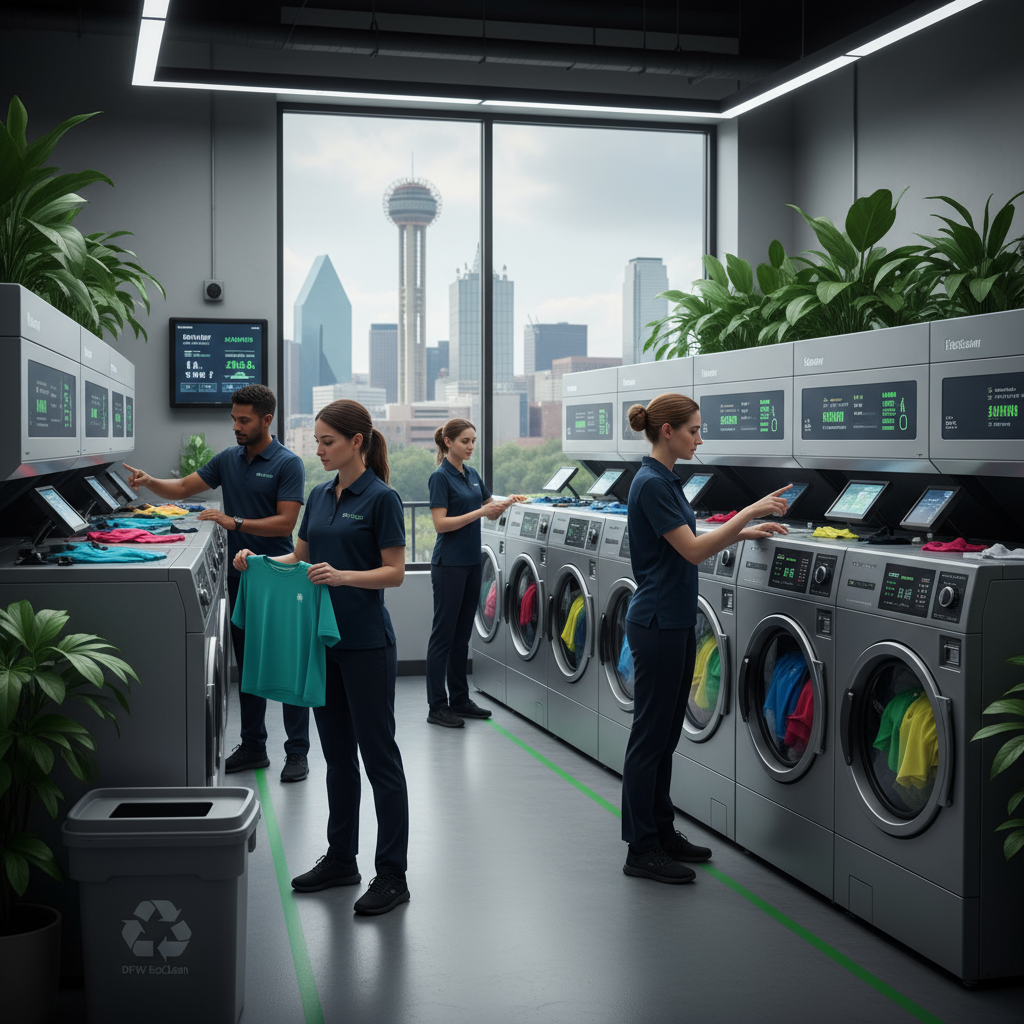
Eco-Friendly Wet Cleaning
Wet cleaning offers a water-based approach using delicate cycles, specialized sports detergents, and precise agitation controls. It’s increasingly preferred for “Dry cleaning for Athletic Wear” as it mimics hand-washing while delivering professional-quality results. Dallas’s laundry services have invested in modern machinery to ensure longevity and safety for even the most sensitive leggings.
Wash-and-Fold Laundry Services
For busy Dallas residents, the wash-and-fold option allows you to drop off activewear—no sorting or fussing required.
Garments sorted by fabric type
Washed in cold water with gentle, residue-free detergents
Carefully air- or low-heat dried and folded to maintain stretch and shape
Top Hat Cleaners is a Dallas leader in such service, combining deep cleaning with convenient folding and storage for your workout wardrobe.
How to Care for Workout Leggings at Home
Professional cleaning’s great for the occasional deep clean, but at-home care matters most for longevity.
1. Always check the care label:
Never assume all leggings can be dry cleaned. Most will recommend machine or hand washing with cold water.
2. Wash inside-out:
This exposes the surfaces most affected by sweat and friction—waistbands, inseams, and printed logos—for more effective cleaning.
3. Use a mesh laundry bag:
Prevents snagging and abrasion by separating leggings from rough fabrics or zippers.
4. Select mild, activewear detergent:
These minimize residue and maintain moisture-wicking, odor-fighting features. Never use bleach or fabric softener—both degrade elastic fibers and synthetic finishes.
5. Air dry or tumble dry low:
Heat damages stretch and shape retention, so lay flat or hang away from direct sunlight. Avoid direct heat sources.
6. Wash after every sweaty session:
Odors and bacteria accumulate quickly in dense athletic fabrics—washing after each use is best, unless you did a light workout.
Trending FAQ About Dallas Athletic Wear Care
Is dry cleaning safe for all leggings and technical fabrics?
No. Only those labeled “dry clean only” or with delicate features requiring special protection should be dry cleaned. Most activewear is designed for gentle machine washing or wet cleaning.
Can dry cleaning extend the life of my workout clothes?
Yes—for luxury, technical, or heavily used items, professional cleaning protects fibers, restores fit/shape, and eliminates odors better than home methods. For everyday items, wash gently at home.
What detergent should I use for leggings dry cleaning?
Dallas cleaners use green, enzyme-based solutions created for technical fabrics, preserving stretch and color, and outperforming home-use detergents.
How often should I rely on dry cleaning for athletic wear?
Reserve professional dry cleaning for deep stains, persistent odor, or major events. Routine washing after each workout at home with gentle detergent will suffice for most cases.
Is air drying better than tumble drying?
Air drying is safest for maintaining elasticity and technical finishes. If tumble drying is needed, choose the lowest heat possible and don’t overstuff the dryer.
Expert Tips for Dallas Athletes and Fitness Enthusiasts
Don’t skip garment separation: Wash similar colors and fabrics together, and never add towels or abrasive items to the load with activewear.
OxiClean or white vinegar in the rinse cycle can help eliminate stubborn odors after a tough workout—but test first for colorfastness.
Always remove leggings from gym bags quickly; leaving them crumpled leads to mildew and persistent smells.
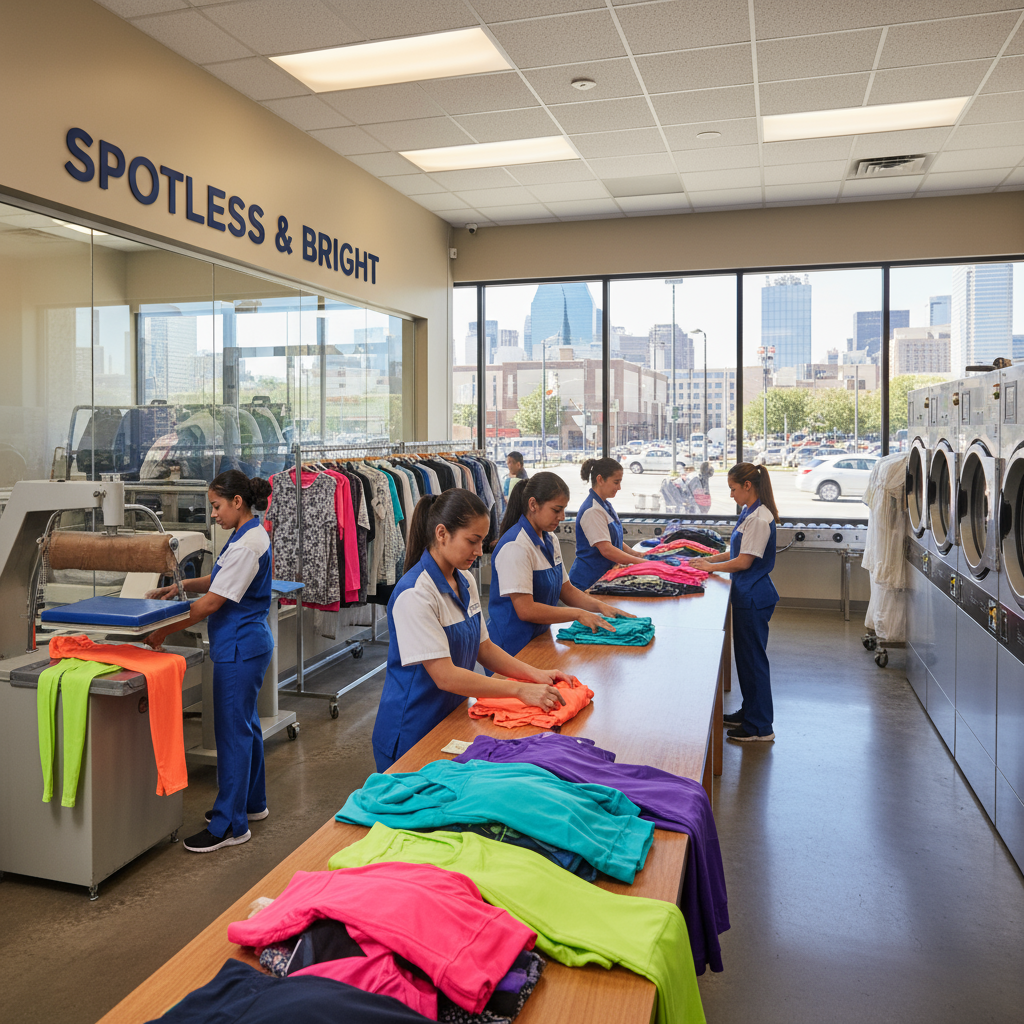
Schedule regular wash-and-fold service for busy Dallas living—this keeps your workout wardrobe fresh without the hassle, and ensures professional attention.
Key Changes and Industry Innovations
Dallas cleaning businesses have shifted toward sustainability and fabric protection for “Dry cleaning for Athletic Wear.”
Eco-friendly solvents and wet cleaning have largely replaced traditional, harsher chemical processes.
Specialized athletic detergent formulas have advanced odor, stain, and fabric care.
Convenience is emphasized, with free pickup/delivery and rapid turnaround supporting busy Dallas lifestyles.
Conclusion
“Leggings Dry cleaning” and athletic wear laundry in Dallas have evolved thanks to modern cleaning techniques tailored to technical fabrics and active lifestyles. For special, luxury, or delicate garments, dry cleaning is a smart way to maintain fit and finish, while Dallas’s best laundry services bring eco-friendly expertise and convenience to the table. For most day-to-day care, gentle home washing and air drying will keep your workout clothes fresh and ready for action.
Whether you’re a Dallas runner, yoga devotee, or just value lasting activewear, combining smart home habits with occasional professional cleaning ensures your fabrics stay odor-free, functional, and fashionable far longer—so you can focus on performance and comfort every time you suit up.
How Workout Leggings and Athletic Wear Have Evolved
Workout leggings and athletic wear have come a long way from simple gym attire. Today’s activewear blends performance with fashion. Fabrics are engineered to wick moisture, provide stretch, resist odors, and retain shape over time. Many people wear athletic clothing not just for workouts but also for daily errands, travel, and casual wear. This versatility makes care and maintenance especially important.
Proper care ensures that these high-performance garments continue to deliver comfort and functionality. Dry cleaning may be one option, but understanding the fabric science behind athletic wear helps you make smarter care decisions that extend the life of your favorite pieces.
The Science Behind Activewear Fabrics
Activewear fabrics are often complex blends designed for functionality. Common materials include:
Polyester blends
Spandex or elastane
Nylon
Breathable mesh fabrics
Compression knits
These materials are chosen for specific properties like flexibility, moisture management, and durability. However, their performance peak depends on how they are cared for.
Unlike natural fibers such as cotton or wool, synthetic blends react differently to heat, agitation, and chemicals. This means that understanding recommended care methods — whether home laundering or professional options — is key to maintaining garment performance.
The Difference Between Dry Cleaning and Home Washing
Dry cleaning and home washing differ in how they interact with fabric and stains. Dry cleaning uses solvents instead of water to remove oil-based substances and some stains that water cannot. It also avoids the potential of heat and water saturation that can alter fabric properties.
Home washing, on the other hand, uses water and detergent. It can be effective for daily sweat and light dirt, especially with activewear designed to be machine-washed. However, the wrong settings can damage synthetic fibers, reduce elasticity, or cause pilling.
Understanding this distinction helps guide when dry cleaning is appropriate and when it might not be necessary.
Common Issues with Athletic Wear Care
Many workout leggings and athletic garments encounter common problems:
Loss of elasticity
Fabrics becoming dull
Moisture buildup and odor retention
Pilling and fabric abrasion
Seam weakening
These issues often stem from improper care practices. Avoiding high heat, fabric softeners, and rough agitation helps maintain performance features like stretch and breathability.
When Dry Cleaning May Be Appropriate
Dry cleaning can be appropriate for certain athletic wear, particularly when:
The garment includes mixed fabrics
There are delicate embellishments or overlays
Performance properties need protection
The label specifically recommends dry cleaning
In cases where the manufacturer’s care label specifies dry cleaning, following that guidance helps prevent damage. Some premium athletic wear with bonded seams, contrast panels, or special fabric technologies benefit from professional handling.
Evaluating the Fabric Care Label
The fabric care label is your best guide. Manufacturers test their garments and provide care instructions that balance cleaning effectiveness with long-term durability. If the label indicates dry clean only, it’s likely due to a blend of fibers or treatments that water washing might compromise.
However, not all labels that mention dry cleaning require that method exclusively. Some go on to specify alternatives like gentle hand wash or delicate cycle. Reading care labels carefully helps you choose the best method for your fabric.
How Dry Cleaning Works for Athletic Wear
When workout clothes are dry cleaned, a trained professional assesses the garment and often performs:
A pre-inspection
Targeted stain treatment
Solvent-based cleaning
Controlled dehydration
Finishing and pressing
This process can remove certain stains and refresh fabrics without exposing them to the stress of water and heat. However, because athletic fabrics are engineered for moisture wicking and flexibility, dry cleaning may not always be the best solution for everyday workout clothes that primarily need sweat removal.
The Impact of Sweat on Athletic Fabrics
Sweat is a common culprit when it comes to odor and fabric breakdown. Sweat contains salts and oils that can trap odor molecules. If left untreated, these residues can cling to fabric and reduce breathability.
Regular refreshing is essential. Depending on how often you wear and sweat in a garment, washing or professional cleaning ensures odor doesn’t accumulate and weaken fibers. Some fabrics also incorporate antimicrobial treatments, which extend freshness, but these can wear down over time without proper care.
Targeted Stain Removal for Activewear
Activewear often gets stained with:
Grass or dirt
Protein shakes
Sunscreen
Deodorant marks
Body oils
Treating these stains requires a different approach than traditional clothing. Targeted pretreatment before washing or dry cleaning increases the likelihood of successful removal without damaging performance properties.
The Role of Hand Washing
Hand washing is a gentle alternative to both machine washing and dry cleaning. For lightweight activewear or garments labeled for delicate care, hand washing with mild detergent can remove sweat and dirt while preserving elasticity.
The process should include:
Soaking in cool water
Gentle agitation
Rinsing thoroughly
Air drying flat
This method avoids heat and mechanical stress that can degrade spandex and elastane fibers.
Machine Washing Best Practices
If your athletic wear is labeled for machine washing, following these best practices helps protect fabric:
Use cold water
Select a gentle or delicate cycle
Turn garments inside out
Avoid fabric softeners
Wash with similar fabrics
Use mild detergents
Cold water protects fibers from heat damage and reduces color fading. Avoiding fabric softeners preserves moisture management technologies embedded in the fabric.
The Importance of Air Drying
Heat from dryers can break down elastic fibers over time. For most workout leggings and activewear, air drying is the safest method. Lay garments flat or hang them in a shaded area to maintain shape and prevent heat stress.
Air drying also supports odor reduction, as moist, warm conditions in dryers can sometimes lock in residual smells.
How Often to Clean Athletic Wear
Cleaning frequency depends on usage. Garments worn for high-intensity workouts should be washed or professionally refreshed after each use. Light activity clothing may go a couple of wears before cleaning.
Understanding this frequency helps balance garment care with longevity.
Rejuvenating Workout Clothes Between Washes
If you need to freshen athletic wear between washes, consider:
Hanging them to air out
Using a fabric refresher (safe for synthetics)
Spot cleaning sweat areas
Using garment steamers
These methods help maintain freshness and reduce the need for frequent deep cleaning.
The Cost and Value of Dry Cleaning Activewear
While dry cleaning can be more costly than home washing, understanding its value is important. For high-end or specialty athletic pieces, professional cleaning protects the garment’s engineered properties. Cost should be weighed against the benefit of preserving performance, fit, and appearance.
For everyday activewear, however, home care may be more practical and cost-effective.
Storage Tips for Athletic Wear
Proper storage supports fabric health. Always ensure athletic garments are completely dry before storing. Moisture trapped in fibers can lead to mildew and odors. Folding or hanging them in well-ventilated closets extends their usable life.
Store compression wear flat to avoid wrinkles and preserve elasticity.
Understanding Fabric Pilling and Wear Patterns
Pilling — small balls of fiber on the surface — often results from friction between fabrics. Turning garments inside out before washing, using gentle cycles, and avoiding rough fabrics in the same load can reduce pilling.
Monitoring early signs of wear helps prolong garment life before deterioration becomes visible on the outside.
When to Retire Athletic Wear
Despite the best care, all garments have a lifespan. Signs it may be time to retire activewear include:
Loss of elasticity
Persistent odor retention
Visible tears or thinning fabric
Seam stress
Retiring worn garments ensures you maintain performance and comfort in your active routines.
The Environmental Impact of Activewear Care
Choosing eco-friendly detergents and minimizing unnecessary dry cleaning helps reduce environmental impact. Cold water washing and air drying also conserve energy and water.
Understanding environmental effects encourages mindful garment care choices.
How Fabric Technology Is Changing Care Needs
As activewear evolves, so do fabric care requirements. New moisture-wicking technologies, odor control systems, and enhanced stretch make garments more complex. Care guidance evolves alongside fabric technology to ensure performance qualities are preserved.
Staying informed about fabric innovation helps consumers make better care decisions.
Customer Examples of Care Success
Many people report that thoughtful care — combining targeted washing, occasional professional cleaning, and proper drying — keeps their favorite activewear looking and performing like new for far longer than they expected.
Personal care routines tailored to specific fabrics often result in noticeably fresher, more resilient garments over time.
Addressing Myths About Dry Cleaning Activewear
A common misconception is that dry cleaning is the best method for all garments. However, for many performance fabrics, dry cleaning may not be necessary unless the care label specifies it. Understanding when to dry clean versus home wash empowers consumers to make smarter care choices.
Another myth is that heat helps “clean deeper.” In reality, excessive heat damages elasticity and reduces performance in synthetic fabrics.
Tips for Maximizing Activewear Lifespan
To get the most from your wardrobe:
Follow care labels strictly
Use gentle washing methods
Avoid heat in drying
Treat stains quickly
Air garments between uses
Rotate your wardrobe to avoid overuse
These practices help maintain performance features and appearance.
How Professional Cleaners Stay Updated With Trends
Professional cleaners often receive updates on fabric technologies and care best practices. This ongoing education ensures they can recommend the best approach whether cleaning, refreshing, or advising customers on garment care.
Their expertise becomes especially valuable when dealing with new blends and engineered textiles.
The Future of Activewear Care
Activewear is constantly innovating. Future care trends may include:
Smart cleaning technologies
Fabric-sensitive wash cycles
Moisture and odor elimination systems
Self-cleaning fabric technologies
As performance textiles evolve, so will care recommendations and professional services tailored to maintain these advancements.
Final Thoughts on Caring for Workout Leggings and Athletic Wear
Workout leggings and athletic wear are essential components of many people’s lifestyles. Caring for them properly protects performance, comfort, and appearance. While dry cleaning has a role in garment care, it is not universally required. Understanding fabric science, care label instructions, and appropriate cleaning methods helps you make informed choices that extend garment life.
Balancing home laundering with professional care ensures your activewear stays fresh, functional, and ready for every routine.
