
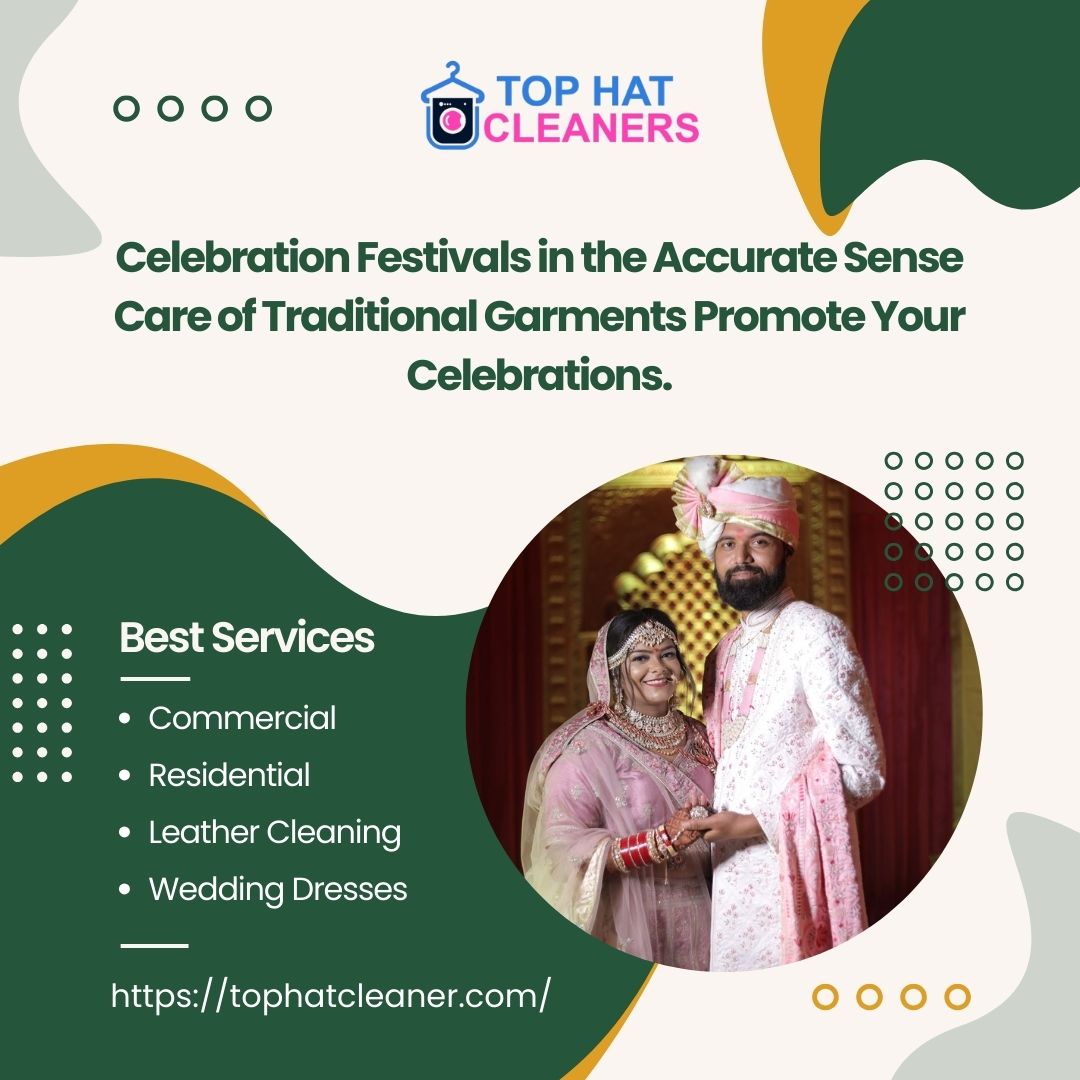
Festivals are the sweet nectar of Indian culture, joy, heritage, and comradeship. They create memorable moments, even for those like Diwali and Holi that some might not prefer. During these festivals, people gather and wear traditional garments that shine with vibrant colors. These clothes truly come alive in celebrations. People glow brighter when they take proper care of their Indian traditional garments. Let’s explore how professional dry-cleaning services in Dallas, TX, can enhance your festival experience.
The Importance of Traditional Garments
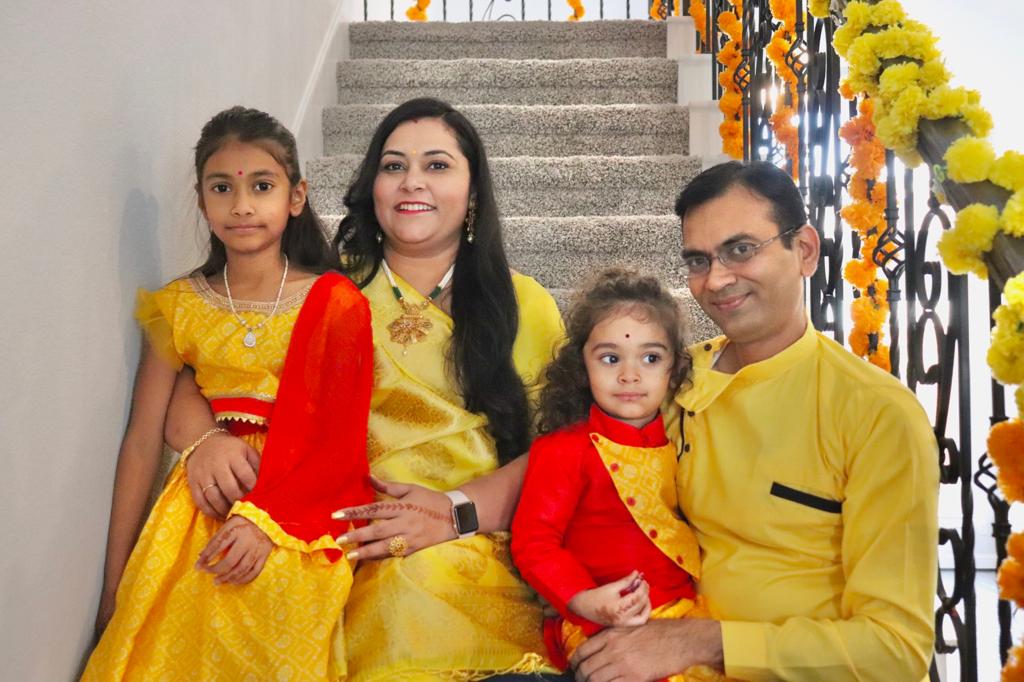
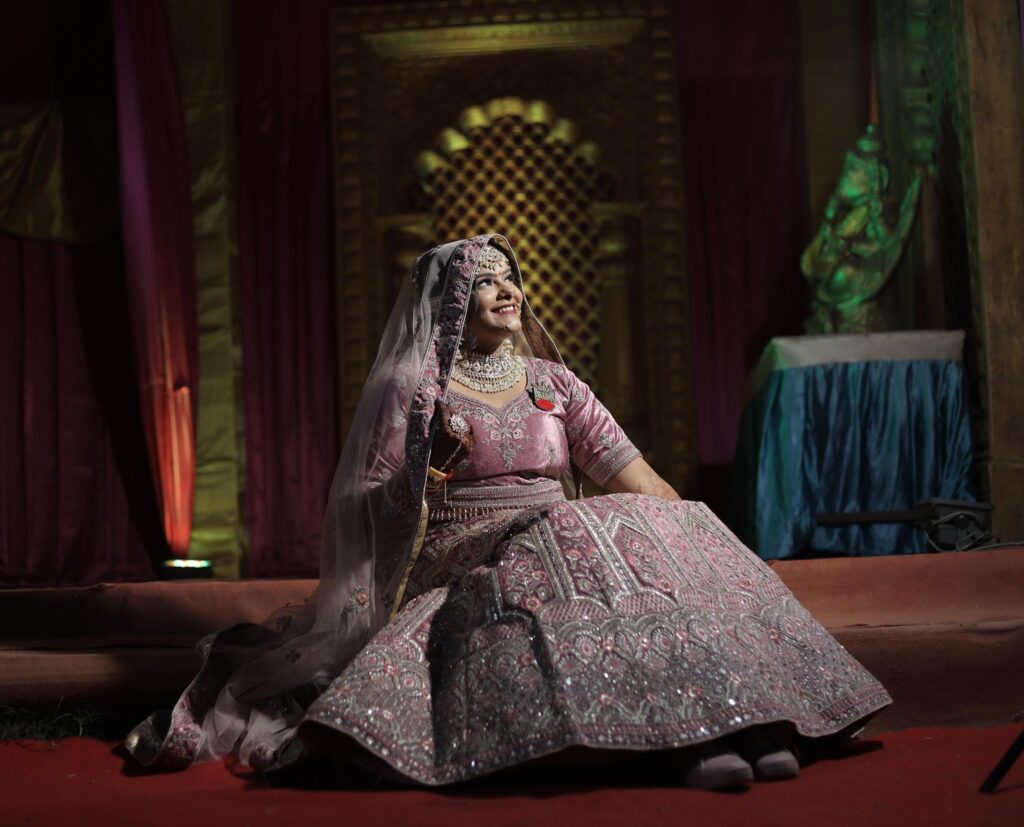
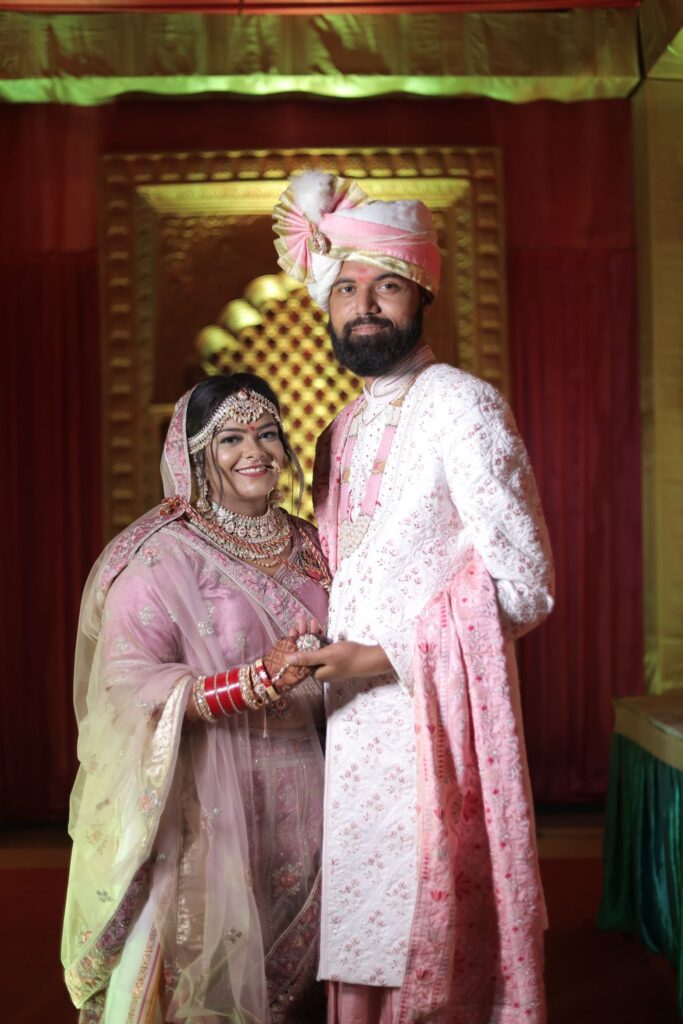
Sarees, lehengas, kurtas, and sherwanis are not just fabric pieces. They carry deep connections to our roots and heritage. These beautiful outfits help build the festival spirit and emphasize our bond with ancestry. However, their intricate fabrics and embellishments need special care to keep their beauty and durability.
Why Choose Dry Cleaning for Your Traditional Garments?
Washing these clothes at home might seem easier, but improper cleaning can cause fading, discoloration, or even permanent damage. This is where Indian Traditional Clothes Dry Cleaning Services in Dallas help. Professionals preserve the texture, color, and integrity of your precious garments. Here are some key benefits of dry cleaning:
Tailored Care for Delicate Fabrics
Traditional clothes often use delicate materials like silk, brocade, or chiffon, decorated with embroidery and embellishments. Professional cleaners use special techniques and mild solvents to clean gently yet effectively, protecting your garment’s details.
Expert Stain Removal
Festivals mean food and fun, which can cause stains. Trained experts recognize different stains and apply the right treatments to remove them without harming your clothes.
Keeping Colors Bright
After many washes, colors tend to fade. Dry cleaning helps maintain the vivid hues of your traditional garments, keeping them looking fresh and new.
Convenient Service with Time-Saving Pickup
Busy festival seasons mean less time for chores. Many Dallas dry cleaners offer free pickup and delivery, saving you the hassle of going to the laundromat. This lets you focus on celebrating.
Preparing Your Garments for the Next Festival
Maximize the life of your traditional attire with these tips:
Routine Dry Cleaning: Clean your clothes after every other festival to remove stains and keep them ready for future use.
Proper Storage: Use breathable bags for delicate fabrics. Avoid hanging heavy clothes to prevent stretching.
Regular Inspections: Check your garments for damage, loose threads, or stains before festival season. Fix these early to avoid last-minute stress.
Go Green: Choose eco-friendly dry cleaning methods to care for your clothes and the environment.
Storage Tips—Properly storing garments after cleaning is critical. Use breathable bags for delicate fabrics, and do not hang heavier clothes, as this prevents them from stretching. Properly stored garments are tidied up and ready for easy wear whenever needed.
Regular Inspections—Before the festival season hits, check all your traditional clothes for damages, loose threads, or stains that may need attention. Addressing these issues early on will save you lots of last-minute hassle.
Embrace Sustainability: Keep the beauty of your traditional attire intact, but embrace it because sustainable practices, such as dry cleaning services with eco-friendly solvents and methods, come in handy.
Conclusion: Celebrate with Pride and Care
Festivals bring joy and unite people. Wearing well-maintained traditional garments enhances this experience. By using Indian traditional clothes dry cleaning services in Dallas, you protect your outfit’s brightness and significance during celebrations.
Top Hat Cleaners offers expert care for your traditional clothes, including Dallas, TX laundry service- free pickup and delivery. Let us handle your fabric care while you enjoy the festivities with your loved ones.
FAQs
Q1: Why is it important to care properly for traditional garments during festival seasons?
A1: Traditional garments hold sentimental and cultural value. They often have delicate fabrics and expensive embellishments that need special care. Proper maintenance preserves their look and longevity, showing respect for cultural heritage and ensuring worry-free celebrations.
Q2: What are best practices for cleaning and storing traditional garments before and after celebrations?
A2: Inspect clothes for stains and damage before festivals. Use mild detergents for light cleaning, but rely on professionals for heavy or intricate pieces. After use, shake off dust, store clothes in breathable bags, and avoid humid areas to prevent mold. Adding cedar blocks helps keep bugs away. These steps keep your clothes ready for the next celebration.
The Cultural Power of Celebrations and Traditional Garments
Celebrations and festivals represent pivotal moments in cultural life. Whether tied to seasonal cycles, religious traditions, or family milestones, ceremonies bring communities together. Traditional garments play a central role in these occasions. They are not merely clothing; they are symbols of identity, heritage, and memory.
From bright silk saris worn during Diwali to embroidered sherwanis at weddings, traditional attire enhances the emotional richness of celebrations. These garments reflect the joy, reverence, and cultural continuity that make festivals meaningful.
Understanding how to care for them ensures that these symbols remain vibrant and intact for future celebrations.
Why Traditional Garments Require Special Care
Traditional clothing is often made with intricate details, unique fabrics, and embellishments that modern mass-produced garments do not have. Zari work, beadwork, hand embroidery, and delicate fibers require gentle handling. Everyday methods of washing or careless cleaning can cause irreversible damage, such as:
Color fading
Thread weakening
Embellishment loss
Shrinkage or distortion
These risks are especially high for garments worn during celebrations when emotional significance amplifies the cost of damage.
To protect these cherished items, specialized care methods provide the precision and gentleness required.
The Emotional Bond Between Garments and Memories
When a garment is worn during a festival, it carries memories — of laughter, family gatherings, prayer ceremonies, and shared traditions. Clothes become more than textile; they hold emotional resonance. A sari worn at a first festival or a kurta worn during a special puja becomes a reminder of who we were at that moment in time.
This emotional bond transforms clothing into heirlooms. Preserving them requires intentional care that respects both the fabric and the memories interwoven into it.
Common Fabrics in Traditional Celebrations
Traditional garments are crafted from a range of fabrics, each with distinct characteristics:
Silk, known for its luster and grace
Cotton, breathable and versatile
Chiffon and georgette, light and flowing
Velvet, rich and ceremonial
Brocade, woven with metallic threads
Handloom weaves reflecting regional art
Because these fabrics behave differently under stress, temperature, and cleaning agents, they require customized care approaches that honor their individuality.
Understanding Fabric Sensitivity
Each fabric responds differently to heat, moisture, and abrasion. Silk, for example, is sensitive to water and can lose its sheen if washed improperly. Brocades may have metallic threads that degrade with rough handling. Even breathable fabrics like cotton can shrink or distort under high heat.
Identifying fabric sensitivity helps determine the most appropriate care strategy — from gentle washing to professional dry cleaning.
Pre-Cleaning Inspection and Assessment
Before any care process begins, a pre-cleaning inspection is essential. This step involves:
Checking for stains
Identifying fabric type
Examining embellishments
Noting areas of wear
This careful assessment helps determine a tailored care plan that protects both aesthetics and structural integrity. Treating stains and fragile areas early prevents deeper damage during cleaning.
Targeted Stain Treatment Methods
Stains are common after celebrations due to food, colored powders, oil, and long hours of wear. Each type of stain behaves differently. Oil-based stains require different methods than water-based stains. Professional care uses targeted techniques informed by stain chemistry to address problems effectively without harming the fabric.
This precision ensures that even stubborn stains are tackled gently.
The Art of Dry Cleaning for Traditional Garments
Dry cleaning uses solvent-based methods that avoid water saturation — ideal for fabrics that react poorly to water. This approach preserves sheen, prevents shrinkage, and maintains the feel of delicate materials.
For richly adorned garments or those crafted with traditional weaving, dry cleaning offers a way to refresh textiles without compromising quality.
How Dry Cleaning Protects Embellishments
Embellishments like beads, sequins, and mirrors add beauty but also complexity. These decorative elements can detach or warp under rough washing conditions. Expert care involves stabilizing and protecting these details before cleaning, preserving both design and durability.
This meticulous approach ensures that decoration remains intact and celebrations remembered.
Pressing and Finishing for Presentation
Once cleaned, traditional garments require careful pressing and finishing. This process restores folds, shapes, and crispness. Pressing elevates the garment’s appearance and enhances presentation, preparing it for future celebrations.
Finishing transforms cleaned fabric into ready-to-wear form — a detail often overlooked in basic care routines.
Proper Drying Techniques
After cleaning, drying must be handled gently. Harsh heat can weaken fibers and alter texture. Air drying in controlled environments helps preserve shape and integrity. Skilled care providers monitor temperature and airflow to prevent over-drying or distortion.
Controlled drying safeguards fabric health and helps garments retain their natural drape.
Color Preservation in Festive Garments
Traditional outfits often feature vibrant hues. Colors that shine during Diwali, Eid, Navratri, or weddings can fade quickly if treated with harsh detergents or bright sunlight. Preserving original dye intensity requires:
Mild cleaning agents
Shade-based drying
Temperature-controlled care
This ensures that cultural garments remain as bright and meaningful as the moments they represent.
Storage Solutions for Long-Term Preservation
After festivals, garments are often stored for months or years. Proper storage prevents damage caused by humidity, dust, insects, and prolonged folding. Recommended strategies include:
Breathable fabric bags
Acid-free wrapping tissue
Climate-controlled storage
Flat storage for delicate embroidery
These practices extend the life of traditional attire and protect them from environmental stress.
Seasonal Rotation and Care
Celebration garments often align with seasonal festivals. Winter celebrations may involve heavier fabrics, while summer festivals call for lighter materials. Rotating seasonal attire and caring for them before storage ensures that fabrics remain fresh and intact.
This level of intentionality helps garments transcend seasons and retain durability.
Educating Families on Fabric Care
Caring for traditional garments is a skill worth passing down. Knowledge about:
Identifying fabric type
Reading care labels
Recognizing early signs of wear
Appropriate cleaning intervals
Empowers families to maintain their cherished pieces between professional visits. Education strengthens fabric longevity and cultural continuity.
Handling Stubborn Stains From Festive Celebrations
Some stains — such as turmeric, wine, or colored festival powders — require specialized approaches. These stains are often deeply embedded and chemically complex. Professional treatments identify the best pre-treatment strategies to safely extract these residues without damaging color or texture.
Knowing when to seek expert help prevents DIY attempts that worsen the problem.
How Traditional Crafts Reflect Identity
Traditional garments are rich with craftsmanship. Hand-woven motifs, regional embroidery styles, and century-old dyeing techniques reflect cultural identity. Careful preservation acknowledges these artistic traditions and maintains their significance for future generations.
The aesthetics of a garment are inseparable from the cultural stories they tell.
How Professional Care Respects Artistry
Professional garment care does more than clean. It respects the artistic processes that shaped the fabric in the first place. Cleaning with respect to weave, embellishment, and color intensity ensures that each piece retains its unique cultural value.
This respect honors both artwork and heritage.
The Ritual of Ready-to-Wear Preparation
Before any celebration, preparing attire is a ritual in itself. Pressing, matching accessories, and final touches are often shared family moments. Professional care supports this ritual by providing garments that look and feel their best, enhancing the emotional experience of preparation.
This preparation becomes part of the celebration itself.
Confidence and Cultural Pride Through Care
Wearing well-cared-for traditional attire instills confidence and pride. When individuals feel comfortable and presentable, they engage more fully in celebrations. This confidence enhances the experience and reinforces cultural pride.
Cultural garments, when properly preserved, become powerful symbols of identity.
The Cost and Value of Professional Care
Professional cleaning and preservation may represent a cost, but the value extends far beyond expense. It protects emotional investments, honors heritage, and extends garment life. Families see this care as an investment in memories.
The emotional returns often outweigh any monetary considerations.
Real-Life Stories of Restoration
Many families share stories of garments revived after years in storage — a wedding sari restored to its original glow, a festive kurta refreshed for the next generation, a ceremonial dupatta preserved for decades. These narratives demonstrate the transformative effects of expert care.
Stories of restored fabrics inspire others to protect their celebratory attire.
How Care Becomes Part of Celebration Tradition
In some families, garment care itself becomes part of tradition. Inspecting clothes before festivals, cleaning after celebrations, and storing attire together fosters a sense of continuity. These rituals weave fabric care into the celebration cycle.
This continuity strengthens cultural bonds and enriches family traditions.
Tips for Between-Celebration Care
Between professional cleanings, families can maintain garments by:
Spot cleaning minor marks
Air-drying after light wear
Keeping garments aired in closets
Inspecting folds for early discoloration
These habits reduce cumulative damage and preserve garment health.
When to Seek Professional Help
Garments with heavy embellishment, deep stains, or complex fabric blends benefit most from professional expertise. Early professional intervention prevents minor issues from turning into irreparable damage.
Knowing when to seek expert care protects both fabric and memory.
How Celebration Attire Shapes Cultural Identity
Celebration garments embody more than aesthetic beauty. They reflect values, beliefs, and shared heritage. Preserving them strengthens cultural identity and ensures that stories of tradition pass forward.
Each garment becomes a vessel of continuity.
The Future of Cultural Garment Care
As traditions evolve, so too will care practices. New preservation innovations will help extend garment life while respecting cultural values. Families and care professionals will continue collaborating to preserve celebratory attire for generations.
This partnership ensures cultural heritage remains vivid and emotionally resonant.
Final Thoughts on Celebrations and Cultural Attire
Celebrations enliven culture, and attire enhances the emotional power of those moments. Caring for traditional garments with intentional and specialized methods supports cultural continuity, protects emotional investments, and honors artistry.
These garments represent more than fabric — they represent the heart of celebration, memory, and identity. Preserving them ensures that cultural heritage is celebrated again and again with every festival and family milestone.
