
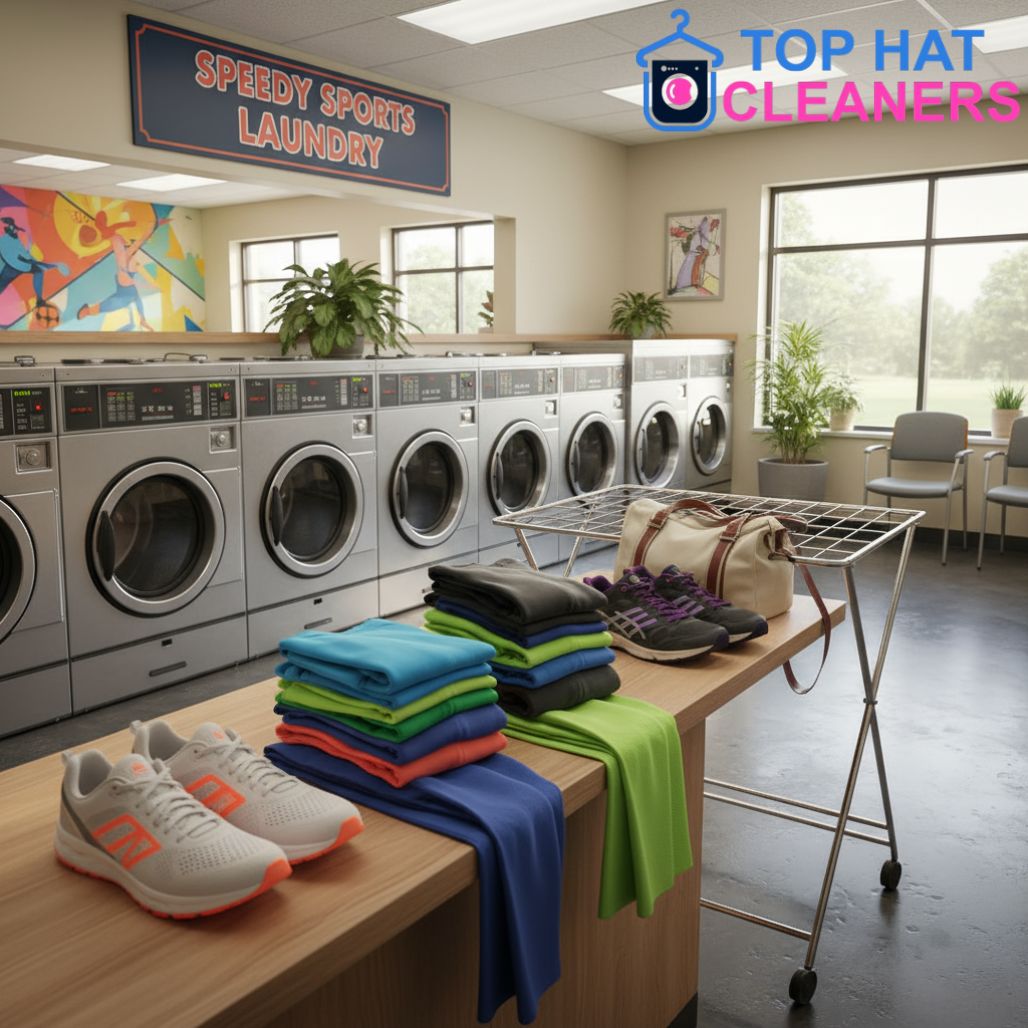
Athletic wear has become a staple not only in gyms but also in casual wardrobes across the USA. From moisture-wicking leggings to high-performance sports bras, your athletic gear deserves special care to keep it fresh, functional, and long-lasting. If you’re wondering how to properly clean athletic wear or considering a wash & fold laundry service, this guide will help you understand everything you need to know about clean athletic wear care.
Why Proper Cleaning of Athletic Wear Matters
Athletic wear is usually made from specialized synthetic fabrics like spandex, nylon, or polyester blends designed to wick moisture, maintain stretch, and provide comfort. These fabrics also attract sweat, bacteria, and odors, which require delicate washing techniques to avoid damage. Incorrect washing not only shortens the life of such apparel but also leads to persistent odors and reduced performance.
Hiring a professional wash & fold laundry service can be a game-changer for busy athletes or active individuals who want expert care for their workout clothes. However, knowing how to handle athletic wear properly even at home is important.
Key Changes and Additions in Athletic Wear Care for 2025
With fabric technologies advancing rapidly, there are new best practices for clean athletic wear maintenance:
Cold Water Washing: Modern athletic wear fabrics lose elasticity and fade colors when washed in hot water. Cold water preserves fibers and speeds drying.
Mild Detergents Only: Harsh detergents and fabric softeners clog fabric pores and kill moisture-wicking ability. Use gentle or detergent designed specifically for activewear.
Turning Inside Out: Turning garments inside out helps eliminate trapped sweat and bacteria where it collects most.
Avoiding Dryer Heat: High heat damages elastic fibers. Air drying or low-heat drying is recommended for longevity.
Pre-Soaking for Odors: Soaking in a vinegar-water solution or special odor removers neutralizes tough smells without damaging fabric.
Separating Laundry: Wash athletic wear separately from cotton or heavy fabric items to avoid lint and abrasion damage.
How Wash & Fold Laundry Services Handle Athletic Wear
Professional wash & fold laundry service providers like Top Hat Cleaners use techniques tailored specifically for clean athletic wear maintenance:
Sorting fabrics by type to prevent damage and lint transfer.
Using cold or warm water cycles with mild detergents.
Applying pre-treatment options for stains and odors.
Carefully drying garments by air or low heat.
Folding and packaging with care to maintain shape and manage wrinkles.
This professional care helps extend your workout clothes’ life, preserves their vibrant colors, and, importantly, keeps them free from lingering odors and skin-irritating bacteria.
Common Mistakes to Avoid When Cleaning Athletic Wear
1. Using Hot Water
Hot water, while seemingly effective, breaks down elastic fibers and causes shrinking in sportswear fabrics. Always wash your athletic wear in cold water to maintain durability.
2. Fabric Softener Use
Though it may soften everyday clothes, fabric softener coats synthetic fibers in sportswear, blocking their breathability and moisture-wicking properties.
3. Ignoring Tags and Care Instructions
Every athletic garment comes with specific care instructions from the manufacturer. Ignoring these can lead to premature wear or color loss.
4. Drying in Direct Sunlight
Prolonged exposure to sunlight can fade fabrics and damage elastic fibers. Air dry in shaded areas or with indirect sunlight.
5. Mixing Athletic and Heavy Fabrics
Washing your athletic wear with heavy jeans or towels causes pilling and fabric abrasion due to friction during washing.
Expert Tips for Cleaning and Maintaining Athletic Wear at Home
Turn garments inside out before washing.
Use mild detergent specifically formulated for synthetic fabrics.
Avoid bleach or harsh stain removers unless stated safe.
Do not overload the washing machine to ensure proper cleaning.
Choose gentle laundry cycles with low spin speeds.
Remove clothes promptly to avoid mildew or odor development.
Benefits of a Wash & Fold Laundry Service for Athletic Wear
For active lifestyles, outsourcing the care of athletic wear through a wash & fold laundry service offers many advantages:
Saves time and effort in busy schedules.
Ensures professional-grade cleaning suited to technical fabrics.
Avoids cheaper home mistakes that ruin fabrics.
Provides convenient pickup and delivery options.
Offers expert stain removal and odor treatment.
Helps maintain fitness gear’s look, feel, and performance for longer.
FAQs on Cleaning Athletic Wear
Can I wash all athletic wear together?
It’s best to separate athletic wear from heavier clothing and cotton items to avoid abrasion and lint. Group workout clothes by fabric type where possible.
Is it safe to use commercial detergents on sportswear?
Only use detergents recommended for synthetic fabrics or activewear. Avoid fabric softeners and bleach, which harm elastic fibers.
How often should athletic wear be washed?
After every use is ideal to remove sweat and bacteria build-up, preventing odors and fabric degradation.
What drying method is best for athletic wear?
Air drying or tumble drying on a low-heat setting is best to preserve fabric integrity and elasticity.
Does a wash & fold laundry service clean athletic wear differently?
Yes, professional services use cold water cycles, gentle detergents, and specialized stain and odor treatments tailored for athletic wear’s delicate materials.
Why Athletic Wear Needs Specialized Cleaning
Athletic clothing is engineered to support performance. Fabrics like polyester, nylon, spandex, and blends wick moisture, stretch with the body, and resist odors. These high-performance materials are unlike everyday cotton or denim. Because they are designed to trap and release sweat quickly, they also collect oils, salts, and bacteria deep within tiny fibers.
Standard laundry cycles often fail to remove these residues, which can cause lingering odors, reduced fabric life, and loss of elasticity. Professional cleaners know how to treat these fabrics so they stay fresh, flexible, and supportive without degrading their performance features.
How Sweat Affects Fabric Over Time
Sweat contains natural salts and oils that cling to fabric fibers. Left untreated, these residues become sticky, attract odor-causing bacteria, and weaken elastic fibers. Over time, garments may:
Lose their moisture-wicking ability
Develop permanent odor
Stretch out or lose support
Fade or appear dull
Professional cleaning targets these hidden residues with precision. This helps athletic wear remain fresh and vibrant longer.
The Role of Specialized Detergents
Unlike casual wear, athletic gear benefits from detergents formulated to break down sweat oils and bacteria. These detergents:
Penetrate deeply into fibers
Neutralize bacteria instead of masking smells
Protect elasticity and color
Avoid residue that ordinary soaps leave behind
This type of cleaning is especially important for compression gear, yoga apparel, cycling shirts, and gym shorts that frequently contact skin.
How Fabric Types Change Cleaning Needs
Different synthetic fabrics behave differently under stress:
Polyester and Nylon
These are strong and moisture-wicking but trap oils and deodorant residue. Professional cleaning ensures thorough removal of buildup.
Spandex and Elastane
Stretch fibers lose elasticity if exposed to high heat or harsh chemicals. Washing with the right solvents preserves function and flexibility.
Blends
Fabrics like polyester/elastane blends require balanced cleaning that respects both strength and stretch components.
Professional Cleaning vs Home Washing
Home washing may leave residues, cause static buildup, or weaken fibers over time. Professional cleaning offers several advantages:
Custom solvent cycles that extract deep soils
Lower heat settings to protect spandex and elastane
Odor neutralization rather than masking
Preservation of moisture-wicking finishes
Faster drying that avoids overheating the fabric
This helps athletic wear perform as intended for workouts, runs, and daily activity.
The Importance of Timely Cleaning
Delaying cleaning can lead to problems:
Persistent odors become permanent
Salt and oil buildup weakens fibers
Persistent stains set deeper
Bacteria growth accelerates
Regular cleaning after heavy use prevents buildup and prolongs fabric performance and life.
How Professional Cleaners Handle Odor Removal
Odor removal is more than a surface wash. Professionals:
Identify odor sources
Use targeted treatments that neutralize bacteria
Rinse thoroughly to remove residue
Finish with controlled drying to prevent new odor
This deep-clean approach leaves athletic gear smelling fresh without harsh artificial fragrances that can irritate skin.
Why Stretch Fabrics Need Gentle Care
Stretch fabrics lose elasticity when exposed to:
High heat
Rough agitation
Harsh detergents
Improper drying
Proper care methods keep fibers flexible and help garments retain their shape for longer, so compression tops and leggings stay true to size.
How Zippers and Hardware Are Protected
Athletic wear often includes zippers, clips, mesh panels, and reflective trims. These components can:
Catch on other fabrics
Be damaged by rough agitation
Cause snags or pulls
Professional cleaning separates gear and secures hardware to prevent fabric damage.
How to Prepare Athletic Wear for Pickup
Before sending athletic wear to a cleaner, you can help by:
Emptying pockets
Turning garments inside out
Grouping items by fabric type
Calling attention to stubborn stains
Clear communication ensures the cleaner knows your priorities, such as odor removal or stain focus.
What Happens During Professional Cleaning
Once your athletic wear arrives at the facility:
Fabrics are inspected for problem areas
Stains are identified and pre-treated
Specialized cleaning cycles target salt, oils, and bacteria
Gentle solvents protect stretch and moisture-wicking finishes
Drying methods preserve elasticity
This method goes beyond simple washing to maintain performance fabric science.
How Professional Finishing Helps
After cleaning, finishing restores:
Smooth, wrinkle-free fabric
Proper shape and stretch
Visual freshness
Soft hand feel
This step makes a noticeable difference compared to home washing alone, where prints may fade and fabric can appear worn.
Seasonal and Intensive Cleaning Tips
Some athletic gear may need deeper cleaning at certain times:
After marathon training
Post swim season
After extended gym sessions
With heavy use in hot weather
These heavy-use situations benefit from more frequent professional attention to prevent buildup that accelerates wear.
How Fitness Accessories Are Also Cared For
Professional cleaning is not just for clothing. Some cleaners also handle:
Gym towels
Yoga mats that can be washed
Workout gloves
Headbands and wristbands
Proper cleaning of accessories helps reduce overall odor and maintain hygiene.
Home Care Between Professional Visits
Between professional cleaning visits, caring for athletic wear helps reduce buildup and extends performance:
Rinse with cold water after workouts
Hang to air dry immediately
Avoid fabric softeners that reduce wicking
Spot-treat stains quickly
These habits help clothes stay fresher longer.
Signs Your Athletic Wear Needs Professional Cleaning
Watch for:
Lingering smell after home wash
Yellowing at underarms
Loss of moisture-wicking performance
Fabric feels sticky or slick
Stretched elastic
These signs show that deeper cleaning may be needed.
Cost vs Value of Professional Cleaning
While professional cleaning may cost more than a typical wash, it delivers:
Extended garment life
Better odor elimination
Fabric performance preservation
Time savings
This value shows especially for high-end athletic brands and expensive gear.
Fabric Do’s and Don’ts for Athletic Wear
Do:
Rinse sweat off quickly
Use mild soap for light cleaning
Air dry after workouts
Separate by fabric type for cleaning
Don’t:
Use bleach or fabric softener
Expose to high drying heat
Ignore stubborn odors
Mix with heavy fabrics in the wash
Following these tips helps gear stay fresh and durable.
Why Odor Returns After Home Washing
Home washing may clean surface dirt, but odor-causing bacteria can remain deep within yarns. Without targeted treatment and thorough rinsing, these microbes continue to release odor even after drying. Professional cleaning removes these deep residues, not just surface soil.
How Activewear Has Evolved
Today’s athletic wear uses advanced fabric technology including:
Sweat management finishes
Antimicrobial yarns
Compression zones
Lightweight ventilation
These innovations also require thoughtful care; professional cleaning methods evolve alongside fabric technology.
Customer Experiences: What People Notice
Customers who switch to professional cleaning often say:
Clothes feel cleaner inside and out
Odor stays away longer
Fabrics look newer
Prints and colors remain crisp
Garments stretch and recover better
These benefits make a noticeable difference for regular gym users.
Handling Special Athletic Fabrics
Some performance garments use:
Waterproof breathable membranes
Reflective trims
Mesh ventilation zones
Thermal layers
Each of these needs appropriate cleaning methods so that function is not compromised.
What to Expect on Your First Visit
As a first-time user of professional athletic wear cleaning:
Staff will ask about your workout routines
They will discuss odor focus
They will recommend service frequency
They will explain care recommendations
This personalized approach ensures you get maximum benefit.
How Often to Clean Athletic Wear Professionally
Cleaning frequency depends on usage:
Daily trainers may need weekly service
Casual gym users may need bi-weekly service
Heavy season training may justify more frequent cleaning
Professional cleaners can help determine the right schedule for you.
Final Thoughts on Athletic Wear Care
High-performance athletic wear deserves high-performance cleaning. Professional methods not only refresh fabrics but preserve technical finishes, keep odors at bay, and extend garment life. By combining smart home care with periodic professional cleaning, you can keep your athletic gear ready for every workout, run, or training session.
Your athletic wear supports your active lifestyle—professional care ensures it continues to support you for many more miles, sessions, and seasons.
Conclusion
Caring for your athletic wear properly is vital for maintaining its comfort, elasticity, appearance, and functionality. Whether you choose to wash your workout clothes at home or opt for a trusted wash & fold laundry service, following the correct cleaning practices can dramatically extend the life of your fitness apparel.
For quality, expert athletic wear cleaning in the USA, consider the professional solutions available at Top Hat Cleaners Wash & Fold Laundry Service . Experience convenience along with thorough, fabric-friendly care designed for your active lifestyle.
