
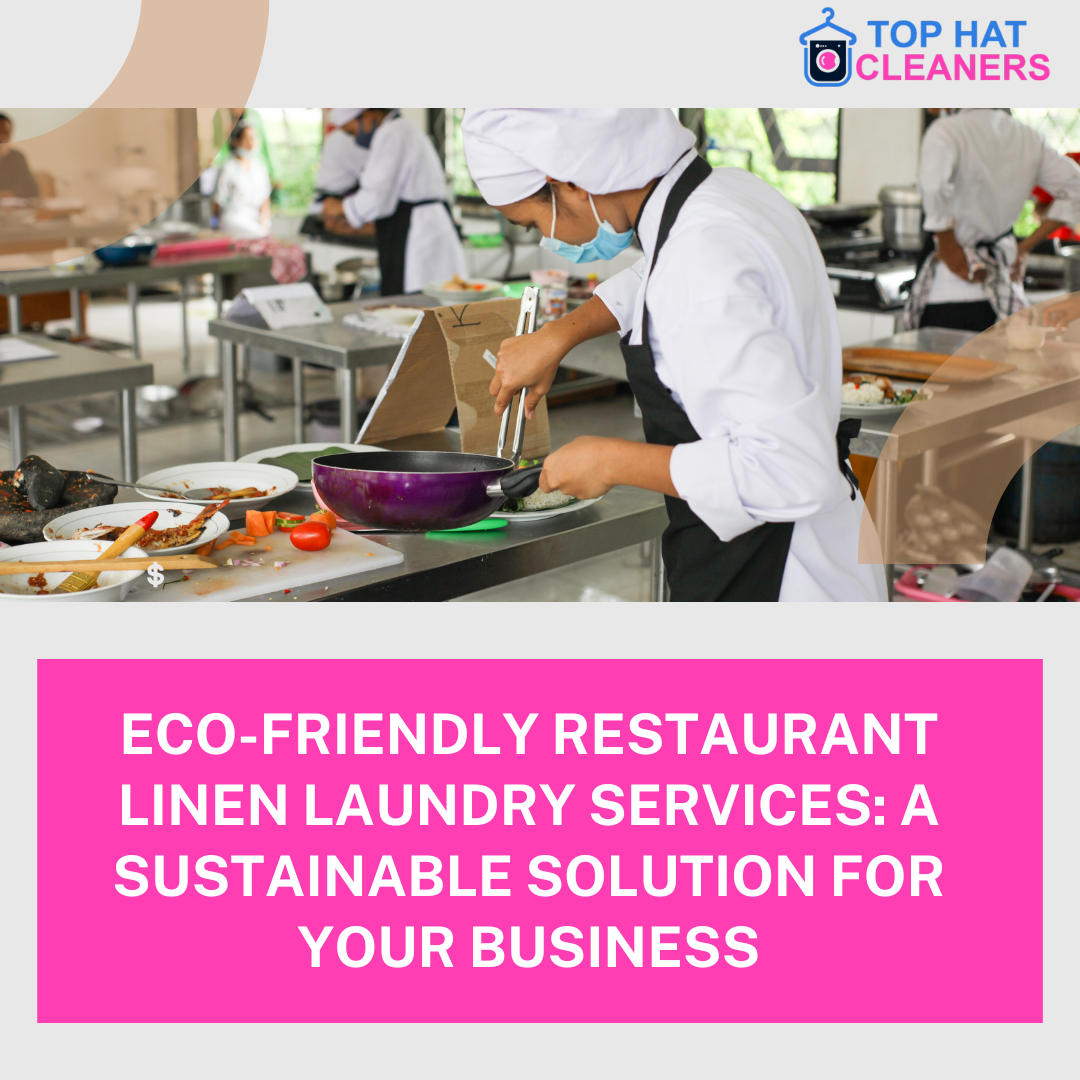
Running a business in the hotel and restaurant industry requires much attention to detail, including the cleanliness of your establishment. One aspect of this is having clean and fresh linens for your tables, napkins, and uniforms. However, the traditional method of laundering these items can have a reverse impact on the environment. That’s why eco-friendly restaurant linen laundry services are becoming a popular and sustainable solution for businesses.
What is Eco-Friendly Restaurant Linen Laundry Service?
Eco-friendly restaurant linen laundry services use sustainable practices and products to clean and maintain your linens. They use energy-efficient washers and dryers, eco-friendly detergents, and reusable hangers and bags to minimize waste. These services are constantly carried out to reduce their carbon footprint and help your business do the same.
Benefits of Eco-Friendly Restaurant Linen Laundry Service
Environmental Impact:
By using eco-friendly restaurant linen laundry services, your business can decrease its carbon footprint and contribute systematically to a more sustainable future. You can also market your restaurant as an environmentally conscious establishment, which can attract more customers.
Cost-Effective:
Eco-friendly laundry services use energy-efficient equipment and less water, which can save your business money on utility bills. They also give flexible pricing options that can be customized as per your specific needs.
Quality and Convenience:
Eco-friendly laundry services use high-quality detergents and processes that ensure your linens remain fresh and tidy for extended periods. They also have pickup and delivery services, which can save your business time and effort.
Choosing the Right Eco-Friendly Restaurant Linen Laundry Service
When selecting an eco-friendly laundry service, it’s essential to consider the company’s experience, reputation, and customer service. You want to ensure that they have the necessary certifications and licenses to handle your linens safely and effectively. Additionally, look for a service that offers customization options and flexible pricing plans based on your needs.
Conclusion
Overall, eco-friendly restaurant linen laundry services offer a sustainable and cost-effective solution for maintaining your linens while reducing your carbon footprint. By partnering for services with a trusted and experienced service provider, your business can benefit from high-quality cleaning processes and convenient pickup and delivery options. Consider
Why Sustainability Matters in Restaurant Operations
Today’s restaurant industry is under increasing pressure to operate sustainably. Diners are more environmentally conscious than ever before, and they often expect the businesses they support to reflect similar values. Beyond food sourcing and waste reduction, sustainability touches every aspect of restaurant operations — including how linens are cleaned.
Restaurant linens represent a recurring operational cost and resource drain. Tablecloths, napkins, kitchen towels, staff uniforms, and even chef coats require frequent laundering. When these items are cleaned using traditional methods that waste water, use harsh chemicals, and consume excessive energy, the environmental footprint of a restaurant grows significantly. Choosing eco-friendly linen laundry services is a powerful way for restaurants to reduce impact while maintaining high standards of cleanliness and presentation.
Sustainability is not just a trend. It is a long-term commitment that enhances brand reputation, attracts environmentally minded customers, and aligns with global efforts to protect natural resources. Eco-friendly laundry practices are an integral part of this larger sustainability strategy.
The Environmental Cost of Traditional Laundry
Conventional commercial laundry processes often consume vast quantities of water and energy. High-temperature wash cycles, multiple rinse phases, and long drying times are typical in traditional systems. Many of the detergents and sanitizers used contain phosphates, harsh surfactants, and non-biodegradable ingredients that end up in wastewater systems and, eventually, in natural waterways.
In a restaurant setting where linens are washed daily, these costs are magnified. Consider the cumulative impact of:
Thousands of gallons of water used each week
High electricity usage for heating and drying
Chemicals that are harmful to aquatic ecosystems
Excessive carbon emissions from energy consumption
Wear and tear on fabrics that require premature replacement
This not only affects the environment but also increases operational expenses. An eco-friendly approach addresses these issues by minimizing waste, optimizing resource consumption, and using safer cleaning agents.
What Makes a Laundry Service Eco-Friendly
Not all laundry services that claim to be “green” are equally committed to sustainability. Truly eco-friendly restaurant linen laundry services incorporate multiple practices that reduce environmental impact while maintaining professional results. Key elements include:
Water Conservation:
Eco-friendly services use advanced machines that optimize water usage. Sensors adjust water levels based on load size, fabric type, and soil level, eliminating unnecessary water waste.
Energy Efficiency:
Energy-efficient washers and dryers, heat recovery systems, and optimized cycle planning lower overall electricity consumption. Some facilities also use renewable energy sources to power operations.
Biodegradable and Low-Impact Detergents:
Harsh chemicals are replaced with plant-based, biodegradable detergents that are effective yet gentle on fabrics and waterways. Low-impact detergents reduce chemical residue on linens and minimize environmental harm.
Efficient Drying Techniques:
Innovative drying systems use lower temperatures and controlled airflow to reduce energy use while protecting fabric fibers.
Waste Reduction:
Recycling packaging materials, reducing single-use plastics, and minimizing waste in daily operations all contribute to sustainability goals.
By combining these practices, eco-friendly laundry services deliver clean, fresh linens without compromising environmental values.
Water Conservation: A Critical Sustainability Step
Water scarcity is a growing global concern. Restaurants are significant consumers of water, and traditional laundry is one of the largest contributors to that consumption. Eco-friendly laundry services adopt technologies such as:
Load-sensing valves that use only necessary water
Closed-loop systems that recycle rinse water
High-efficiency machines that reduce gallons per pound of laundry
These methods dramatically lower water use. For restaurant owners, water savings translate not only to environmental benefits but also to reduced utility costs — a win-win for sustainability and business efficiency.
Energy Efficiency: Reducing Your Carbon Footprint
Energy usage in laundry operations comes primarily from heating water and powering dryers. Eco-friendly services use energy-saving practices such as:
Heat pump dryers that reuse energy
Scheduling laundry cycles to take advantage of off-peak energy rates
Insulated machines that retain heat longer
Automated systems that avoid over-drying
Reduced energy use means lower carbon emissions, aligning restaurant operations with broader corporate responsibility goals and community expectations. Over time, the cumulative energy savings can also positively affect operational budgets.
Safer Chemicals for Cleaner Linens and Healthier Spaces
Traditional detergents and sanitizers often contain aggressive chemicals that are effective at removing stains but harmful to human health and the environment. Harsh residues can remain on linens, potentially irritating skin or respiratory systems, especially for guests with sensitivities.
Eco-friendly laundry services use plant-based, biodegradable detergents that remove stains and soils without leaving toxic residues. These detergents break down naturally in wastewater systems and reduce the impact on aquatic life.
In addition, these safer chemicals help preserve fabric strength, reduce fading, and extend linen life — saving restaurants money on replacements while maintaining a healthier environment for guests and staff.
Reducing Fabric Wear Through Gentle Processing
Frequent laundering can accelerate wear and tear on restaurant linens, especially when high temperatures and aggressive chemicals are used. Eco-friendly laundry systems focus on:
Lower wash temperatures
Optimal cycle lengths
Gentle but effective cleaning agents
Balanced agitation and drying
These practices are engineered to protect fibers and reduce stress on fabrics. As a result, linens stay softer longer, retain their shape, and require replacement less frequently. This not only supports sustainability by reducing textile waste but also improves cost efficiency.
Aligning With Customer Expectations
Customers today care deeply about sustainability. Studies consistently show that diners prefer restaurants that demonstrate environmental responsibility. Clean linens washed with eco-friendly methods can become part of your restaurant’s sustainability story — a detail that reinforces your commitment to the planet.
Visible cues — such as signage about sustainable practices or menu notes about environmentally responsible operations — can be complemented by behind-the-scenes efforts like eco-friendly laundry. Together, these elements create a narrative that resonates with customers and builds loyalty.
Certifications and Standards to Look For
Not all “green” claims are validated. When choosing an eco-friendly linen laundry service, consider whether the provider adheres to recognized standards or certifications for environmental practices. These might include:
Water efficiency certifications
Energy usage benchmarks
Green chemical approvals
Waste reduction standards
Certified services are more likely to deliver genuine sustainability benefits than those with vague or unverified claims. Ask potential providers about their certifications and request documentation of their environmental policies.
Cost Benefits of Sustainable Laundry Practices
While eco-friendly services may sometimes have higher upfront costs, the long-term financial benefits can outweigh initial expenses. These cost savings emerge through:
Reduced energy and water bills
Extended linen life
Lower chemical purchasing costs
Decreased disposal costs for worn fabrics
Enhanced brand reputation leading to repeat business
When viewed as a long-term investment in operational efficiency and sustainability, eco-friendly laundry services offer measurable business value beyond environmental impact.
Environmental Benefits Beyond the Restaurant
Choosing sustainable linen care has ripple effects. When restaurants adopt eco-friendly practices, they contribute to:
Reduced water consumption in the community
Lower overall energy demand
Decreased chemical pollution in waterways
Reduced landfill waste from textiles
A culture of environmental responsibility that influences other businesses
As part of a larger network of commercial operations, restaurants that adopt sustainable laundry services play an important role in community stewardship and regional environmental health.
Educating Staff and Customers
Adopting eco-friendly linen services offers an opportunity to involve your team and customers in your sustainability journey. Training staff on sustainable practices, sharing reasons for choosing green laundry services, and highlighting results — such as reduced water and energy use — can create internal awareness and pride.
Customers, when informed, appreciate transparency about behind-the-scenes efforts that support sustainability. Including notes in menus, on websites, or on table signage can educate diners about the impact of such choices and reinforce their decision to support environmentally responsible businesses.
Implementing a Sustainable Linen Strategy
To implement eco-friendly linen laundry in a restaurant, consider the following steps:
Assess your current linen usage and washing practices
Identify areas of waste or inefficiency
Research laundry partners with proven sustainability practices
Request data on their water, energy, and chemical usage
Compare long-term costs and environmental impact
Communicate your choice internally and externally
Monitor results and adjust as needed
A deliberate strategy ensures that your choice of laundry service aligns with overall business goals and environmental commitments.
Balancing Quality With Sustainability
Some restaurant owners hesitate to adopt green practices due to concerns about quality. However, modern eco-friendly laundry services deliver professional, deep cleaning results that meet or exceed traditional methods. These systems are specifically designed to balance sustainability with high standards of cleanliness, fabric care, and presentation — ensuring that your guests experience fresh, crisp linens without compromise.
The Competitive Advantage of Sustainability
Restaurants that integrate eco-friendly linen laundry services gain a competitive edge. In an industry where differentiation is key, sustainability becomes a point of distinction. Environmentally minded customers are likely to choose establishments that demonstrate care for the planet, and employees often feel more aligned with workplaces that reflect their values.
Case Studies: Real Benefits in Action
Restaurants that switch to eco-friendly laundry services often report:
Noticeable reductions in utility costs
Extended linen life and fewer replacements
Improved guest feedback on cleanliness
Enhanced staff pride in working for a green business
Positive marketing narratives about sustainability
These real-world results illustrate that eco-friendly laundry is not just an ideal — it’s a practical solution with measurable advantages.
Overcoming Common Challenges
Some businesses express concern that eco-friendly laundry means higher costs or compromised cleanliness. These challenges can be addressed by:
Comparing total cost of ownership rather than per-load price
Evaluating laundry results through trials
Exploring volume discounts or bundled service plans
Communicating with laundry partners about fabric types and care needs
With thoughtful planning, restaurants can adopt sustainable laundry without disruption.
The Broader Impact on Operational Efficiency
Eco-friendly laundry services can integrate with broader operational initiatives such as:
Energy audits
Water conservation programs
Sustainable supply chains
Waste management strategies
Staff environmental training
By aligning laundry practices with broader sustainability goals, restaurants build cohesive systems that are more efficient, cost-effective, and environmentally responsible.
Supporting Industry Standards and Green Certifications
Some industry programs recognize restaurants for sustainable operations. Implementing eco-friendly laundry services may qualify businesses for awards, certifications, or recognition programs that highlight commitments to environmental stewardship. These accolades enhance reputation and visibility.
Making Laundry Part of a Sustainability Narrative
Your choice to adopt eco-friendly linen care becomes part of a larger story — one that customers, staff, and community members can embrace. When sustainability is woven into the operational fabric of a business, it becomes visible in every part of the guest experience — from the menu to the table linens.
Conclusion: A Sustainable Solution With Lasting Impact
Eco-friendly restaurant linen laundry services offer more than clean linens. They provide a sustainable solution that reduces environmental impact, supports operational efficiency, enhances brand reputation, and aligns with modern consumer values.
By choosing services that conserve water, save energy, use safer chemicals, and extend fabric life, restaurant owners take meaningful steps toward a greener future. Sustainability becomes not just a practice, but a business advantage — one that benefits the restaurant, its customers, and the world at large.
Adopting eco-friendly laundry practices is not just good stewardship; it’s smart business. As restaurants embrace this sustainable solution, they play a part in shaping an industry that values both exceptional service and responsible environmental care.
