
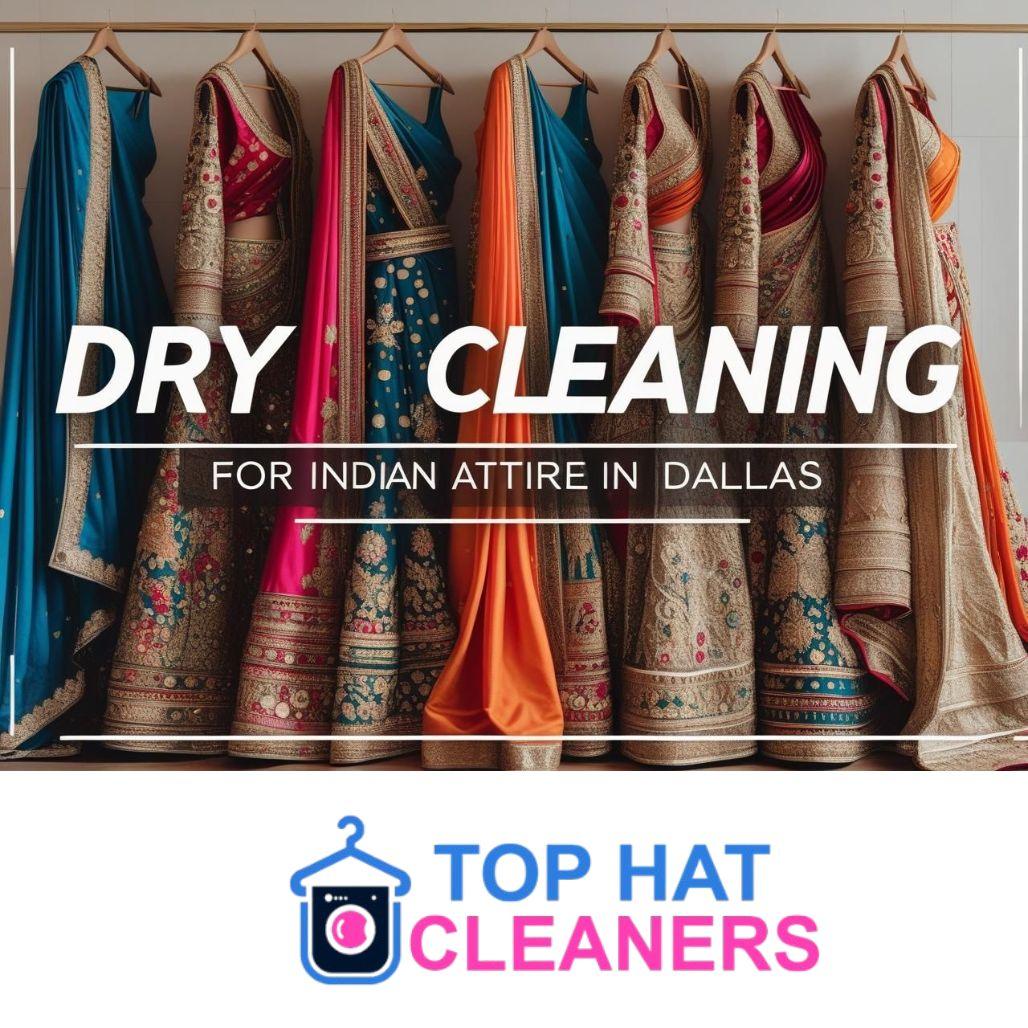
Indian traditional clothing isn’t simply fabric stitched into a pattern — it’s a representation of rich cultural traditions, personal milestones, and cherished memories. Each saree, lehenga, sherwani, and kurta carries a story, often handmade from delicate fabrics and adorned with intricate embroidery, gems, sequins, or zari work.
For residents in Dallas, finding a dry cleaner for Indian clothes is crucial if you want your treasured outfits to retain their beauty, vibrancy, and longevity. At Top Hat Cleaners, we specialize in the care and preservation of these garments with services designed for fabrics, dyes, and embellishments unique to South Asian apparel.
Why Specialized Care Matters for Indian Clothing
Unlike everyday western wear, Indian attire includes:
Delicate fabrics — silk, chiffon, georgette, organza, velvets, and brocades.
Intricate adornments — embroidery, zari borders, sequins, stonework.
Natural and vibrant dyes prone to bleeding if not handled carefully.
These factors make conventional laundry services risky. Your bridal lehenga with delicate beadwork could lose embellishments, or a pure silk saree could lose its sheen if subjected to harsh chemical washes. That’s why Indian saree dry cleaning is a specialized service — a domain where Top Hat Cleaners excels.
Step-by-Step Process at Top Hat Cleaners
Inspection – Each garment is evaluated based on fabric type, ornamentation, stain location, and colorfastness.
Spot Treatment – We use gentle, fabric-specific stain removal for common issues like turmeric, curry, oil, and perspiration stains.
Cleaning – We select mild, eco-friendly solvents to protect fabric integrity while removing dirt and odors.
Post-Cleaning Inspection – Garments are checked for any remaining stains or damage.
Finishing – Involves gentle steaming or pressing to maintain shape without crushing embroidery.
Packaging – Stored in breathable wrapping to prevent moisture buildup before it reaches your home.
This approach ensures your cultural garments retain their brilliance for years.

Common Garments We Handle
Sarees and Bridal Sarees — Especially silk, Kanjeevaram, Banarasi, and chiffon sarees.
Lehengas and Ghagras — Heavy embroidery, mirror work, and zari detailing require low-tension handling.
Sherwanis and Achkans — Often made from silk or velvet with intricate metallic threads.
Kurtas and Salwar Kameez — Frequently made from fine cotton or silk blends.
Dupattas and Shawls — Often overlooked but equally delicate.
Stain Removal Expertise
Indian festive meals and celebrations often involve colorful, oily dishes. Curry, turmeric, and ghee are notorious for leaving stubborn marks, while sweets like gulab jamun can leave sugar-based stains. Top Hat Cleaners uses targeted treatments to release these without harming the original colors or embellishments.
Fun fact: turmeric stains darken over time when exposed to sunlight — so immediate professional attention is key.
Home Care Tips for Indian Clothes
Professional cleaning should be your go-to after major events, but correct home storage also makes a huge difference:
Store in cotton or muslin covers instead of plastic to allow ventilation.
Avoid mothballs directly on fabric — use natural repellents like cedar.
Refold sarees every 3–6 months to prevent permanent creases.
Keep garments in a low humidity environment to avoid mildew.
Convenience with Pickup & Delivery in Dallas
Even if you own lots of traditional garments, the idea of packing them and driving across the city for cleaning can be inconvenient. That’s why Top Hat Cleaners offers pickup and delivery service across their Dallas service area, which includes:
Addison, Coppell, Garland, Grand Prairie, Richardson, Carrollton, and other surrounding neighborhoods — all listed on their service area page
This makes it easy for you to schedule deep garment care even during busy festival seasons like Diwali, Eid, or wedding season.
Why Dallas Residents Trust Top Hat Cleaners
Specialized Knowledge: Expertise in the nuances of Indian textiles and handiwork.
Eco-Conscious Cleaning: Solvents safe for delicate fabrics and the environment.
Personalized Service: Each garment gets its own cleaning plan.
Trusted by Families: Many clients rely on us for generational heirloom preservation.
Time-Saving Convenience: Doorstep pickup and delivery save hours of travel.
When to Get Your Garments Professionally Cleaned
After weddings or receptions where garments see long hours of wear.
Post festival season when heavily embellished outfits gather dust and stains.
Before long-term storage — to avoid setting stains or attracting pests.
When passing garments to the next generation as a keepsake.
Trending FAQs on Indian Saree and Traditional Clothes Care
Q1: How often should I get my sarees professionally cleaned?
It depends on the use. Sarees worn rarely (like wedding sarees) may be cleaned once a year before storage, while heavily worn ones should be cleaned every few wears.
Q2: Can a dry cleaner for Indian clothes prevent dye bleeding?
Yes. At Top Hat Cleaners, we test fabrics for colorfastness before cleaning and use methods that prevent bleeding even in multi-colored embroidery.
Q3: Is Indian saree dry cleaning safe for antique textiles?
Absolutely — in fact, it’s the safest method. Our techniques preserve fragile threads and prevent damage to vintage fabrics.
Q4: What’s the best way to store zari borders or embroidered lehengas?
Store in a flat fold with a layer of acid-free tissue paper between folds to prevent snagging and tarnishing.
Q5: Do you handle last-minute festival or wedding orders?
Yes, with our Dallas pickup and delivery service, we can handle priority cleaning for urgent occasions — subject to availability.
Final Thoughts
If you’ve invested in luxury Indian clothing, professional care is non-negotiable. As the preferred dry cleaner for Indian clothes in Dallas, Top Hat Cleaners offers unmatched fabric expertise, preservation techniques, and convenience. Our Indian saree dry cleaning is trusted by Dallas families who want to see their garments sparkle at every future celebration.
With a combination of care, science, and tradition, we ensure your cherished outfits are always event-ready and preserved for generations to come.
📅 Next Step: Visit Top Hat Cleaners’ service area page to schedule your pickup today and discover the ease of professional ethnic garment care without stepping out of your home. Whether it’s a silk saree or a bead-heavy bridal lehenga, your cultural treasures deserve nothing but the best.
Seasonal Fabrics and Why They Need Special Care
Indian attire is often worn year-round for festivals, weddings, and cultural events. However, different seasons can affect fabrics in different ways. The hot summer sun in Dallas may cause colors in silk or synthetic blends to fade if garments are improperly cleaned or stored. During cooler months, heavier fabrics like velvet or brocade are more common, and these require gentle handling to prevent crushing of rich textures.
Humidity also plays a role—when moisture is present in the air, fabrics can absorb that moisture along with body oils and perfumes, which later becomes difficult to remove without professional care. Proper dry cleaning protects the garment from seasonal stress and preserves its vibrancy and texture for years to come.
Understanding Fabric Labels and Care Instructions
One of the most overlooked aspects of garment care is reading and understanding fabric care labels. Indian attire often includes a variety of fabrics such as pure silk, chiffon, georgette, cotton, and blended materials. These labels give clues about fiber composition and recommended care methods.
For example, garments labeled with “dry clean only” generally contain delicate fibers or dyes that may bleed in water. In contrast, slips or linings might be washable, but should still be professionally handled due to their connection with the outer fabric. Learning to interpret these labels helps in recognizing what requires professional dry cleaning and what might be safely freshened at home if needed.
How Professional Dry Cleaning Preserves Embellishments
Many Indian outfits include hand embroidery, sequins, beads, and zari work. These details make each piece unique and beautiful, but also vulnerable. At-home washing can loosen threads, dull metallic shine, and even detach delicate beads.
Professional dry cleaners use techniques that:
protect shining embellishments
secure loose threads before cleaning
avoid mechanical agitation that can dislodge trims
use fabric-safe solvents that do not strip metallic finishes
This kind of attention preserves both visual appeal and structural integrity, keeping each piece ready for the next occasion.
When to Choose Hand Finishing vs Machine Pressing
Dry cleaning isn’t just about removing soil; it’s also about restoring the garment’s original shape and fall. Large ethnic outfits such as lehengas and anarkalis often have multiple layers and embroidery that can wrinkle or distort during cleaning.
Hand finishing allows experienced technicians to:
reshape pleats
flatten bulky embroidery carefully
press only at safe temperatures
maintain fabric drape and flow
Machine pressing is excellent for simpler pieces like kurtis or cotton sarees, but hand finishing ensures that finer, delicate garments keep their natural elegance.
Odor and Sweat: Why Home Washing Falls Short
Indian attire is frequently worn during celebrations with dancing, food, and long hours. Sweat, spice scents, and perfumes can settle deep into fibers. Home washing may remove surface odors, but professional dry cleaning reaches deeper into fibers without damaging them.
Sweat residue often contains salts that can weaken fibers over time. Professional dry cleaning:
neutralizes odors
extracts deep-seated salts
protects fabric texture
avoids shrinkage
This helps keep garments fresh and prevents long-term damage that ordinary washing might overlook.
Spotting Stains Early: What First-Time Customers Should Know
Stains on Indian attire can vary from food spills to makeup marks and oil stains. The longer a stain sits, the more difficult it becomes to remove. Quick action combined with professional treatment improves the chance of complete stain removal.
For first-time customers, it’s helpful to recognize:
oil and grease stains
color bleeding from adjacent fabrics
sweat stains around collars and underarms
makeup and foundation spots
Early identification and proper pre-treatment increase the chances of successful results.
Why Color-Fastness Testing Matters
Before applying any cleaning solution, professionals often test fabric for color fastness. This ensures that dyes remain stable and do not bleed during cleaning.
Color bleeding can occur when:
fabrics were dyed with unstable dyes
garments were previously washed incorrectly
humidity and heat trigger dye migration
Professional color-fastness testing protects the garment and prevents unexpected color loss or runs.
How Dry Cleaning Protects Fabric Strength
Every time a garment is washed at home with water and agitation, fibers expand and contract. This repeated stress can weaken natural fibers like silk and cotton more quickly than dry cleaning.
Dry cleaning uses gentle solvents that:
avoid fiber swelling
reduce tension on threads
preserve structural integrity
prevent premature wear
This leads to longer-lasting garments that look and feel newer for many occasions.
Accessories and Add-Ons: What Can Also Be Cleaned
Indian attire often comes with accessories like:
embroidered stoles
matching dupattas
embellished belts
attached linings
These elements also benefit from professional dry cleaning since they share fabric and dye characteristics with the main piece. Cleaning them together ensures uniform color maintenance and prevents mismatched wear.
How to Communicate Special Instructions to Your Cleaner
Clear communication helps ensure your garment gets the attention it needs. When dropping off Indian attire for the first time, mention:
any stains you noticed
specific areas of concern
whether the garment has sentimental value
if any trimming or repairs are needed
This gives the cleaner context and allows for tailored care that protects your garment investment.
The Emotional Value of Indian Dress and Why Care Matters
Indian attire often carries emotional significance—passed down through families, worn at big moments, or chosen for celebrations. Professional dry cleaning honors these memories by protecting the fabric and craftsmanship.
When a garment is cared for properly, its story continues. Dry cleaning is not just fabric care; it’s preservation of heritage, tradition, and personal history.
How Fabric Weight Affects Cleaning Needs
Lightweight fabrics such as chiffon and georgette react differently to cleaning than heavy brocades or velvet. Lighter fabrics may saturate quickly with water, which can cause stretching or distortion. Heavy fabrics can trap moisture and take longer to dry, inviting mold and odor when stored improperly.
Dry cleaning tailors each process according to fabric weight, ensuring that delicate pieces are not over-handled and heavy textiles are thoroughly refreshed.
Cleaning After Festive Wear: Best Practices
After festive celebrations, garments often have:
food splatters
glitter or decorative dust
sweat residue
perfume buildup
Professional dry cleaning addresses each of these without damaging the fabric surface. Festive wear often contains metallic threads that can tarnish if washed incorrectly.
Understanding Storage Best Practices Post-Cleaning
Once your Indian attire is cleaned, how you store it matters. Proper storage methods extend garment life:
use breathable garment bags
avoid plastic covers that trap moisture
store in a cool, dry place
refold periodically to break permanent creases
These practices prevent yellowing, distortion, and fabric weakening over time.
Common Misconceptions About Dry Cleaning Indian Wear
Some people assume that:
dry cleaning is only for occasional use
home washing is sufficient for all fabrics
spots will come out with regular detergent
every garment needs identical care
In reality, tailored professional care is far more effective at preserving fabric beauty and preventing long-term deterioration.
Why First-Time Customers Should Expect a Consultation
When you bring Indian attire for the first time, expect to receive a consultation from the cleaner. Professionals will:
assess fabric type
identify stains and weak areas
advise on best care practices
explain turnaround time
suggest storage tips
This consultation ensures you understand how your garment will be treated and why certain processes are used.
How Frequent Wear Changes Cleaning Frequency
Attire worn frequently—even for shorter periods—collects oils, skin residue, and dust. The more a garment is worn, the more often it benefits from professional cleaning. Occasional items may need seasonal cleaning, while frequently worn ones need more regular attention.
The Connection Between Dry Cleaning and Fabric Longevity
Professional dry cleaning extends the life of your garments by:
removing embedded soils
preserving dye quality
protecting fabric fibers
maintaining structural detail
This means your favorite outfits stay beautiful through celebrations year after year.
Customer Experiences with Indian Attire Cleaning
Many customers notice:
richer color retention
smoother fabrics
reduced shrinkage
improved texture
These improvements make wearing special attire more enjoyable and less stressful.
Tips to Maintain Indian Garments Between Cleanings
Between professional cleanings, you can help maintain fabric quality by:
hanging garments after use
airing in shade
spot-treating with care
avoiding heavy folding
These simple steps reduce buildup and preserve garment freshness.
How Dry Cleaning Supports Sustainable Wardrobe Practices
By cleaning garments professionally, you avoid:
excessive home washing
fabric damage from improper care
premature garment replacement
This supports sustainability by extending the life of heirlooms and favorite pieces.
Preparing for Your First Dry Cleaning Visit
Bring your garment in a clean, dry condition and mention any concerns. Professionals typically:
inspect fabric
discuss stains
review garment details
plan cleaning process
This preparation ensures a smooth and successful cleaning experience.
Final Thoughts on Indian Attire Care
Indian attire is a blend of culture, craftsmanship, and personal expression. Proper dry cleaning protects not just the fabric, but the memories woven into every thread. By respecting the art of garment care, you preserve beauty and tradition for generations to come.

