

Indian fabrics speak in terms of intricate designs and bright colors along with the history lining them. From saris to sherwanis, they are not just clothing but part of culture, tradition, and identity. As a proud owner of such heritage pieces, one should ensure their longevity through proper care. Top Hat Cleaners has expertise in dry cleaning traditional Indian clothes and dry cleaning services in Dallas, which can help preserve and enjoy such beautiful fabrics for many years to come at an affordable price.
Introduction to Indian Fabrics:
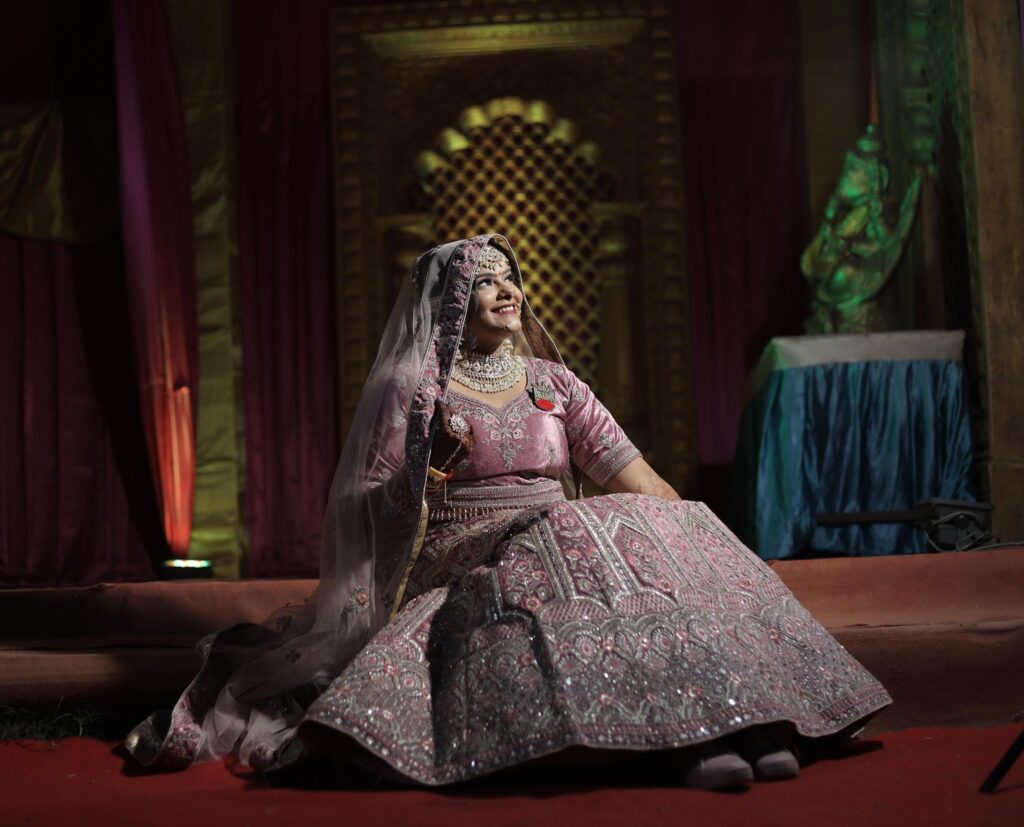
These include some of the most prized fabrics, such as Banarasi silk and Kanjeevaram silk, for their vitality and glory, with fine handloom cotton from various states showcasing the artistic nature of some great artisans. All of them would come coupled with multiple embellishments such as embroidery, mirror work, sequins, etc, thus making them more delicate and requiring extra attention on cleaning.
The Importance of Professional Care:
Indian fabrics cannot stand up to all cleaning methods. A traditional dry cleaning service in Dallas will bring forth the specialized treatment that these garments require without compromising on presentation. Cited below are a few of the reasons why professional care is essential:
– Embellishment Preservation: Most Indian drapes feature embellishments that can easily get spoiled. Experts know how to handle those delicate details without ruining the beading in the cleaning process.
Safe Colors: Indian cloth is usually dyed in very bright colors, and if not washed systematically, those colors can easily bleed.
Techniques for Caring for Indian Traditional Clothes Dry Cleaning Services Dallas:
- Inspection and Testing: Professional dry cleaning services near Dallas check every single clothing piece before they start cleaning it. They usually test for colorfastness and the nature of the embellishments to decide on the cleaning method.
- Expert Dry Cleaning: Our state-of-the-art dry cleaning processes reduce the risk of shrinking or distortion. Our unique equipment offers a controlled environment in which to clean each item carefully.
- Finishing Touches: After the garment is cleaned, it is pressed and finished to the highest standards. Our team pays close attention to maintaining the appropriate shape and drape of delicate fabrics.
Tips for Indian Fabric Maintenance at Home:
It is always better to get the fabrics cleaned by professional dry cleaning services near Dallas. Along with that, there are different ways in which you can maintain your traditional Indian dresses at home:
-Store properly—While unused, garments should be stored in breathable cotton bags, not plastic bags, as plastic can catch moisture and damage fabrics over time.
Away from Direct Sunlight: Overexposure to sunlight can cause colors to fade. Therefore, these garments should be kept in a cool and dark area to prevent their colors from fading.
– Handle Gently: Spot cleaning must be conducted carefully and not through harsh chemicals. Always consult professional dry cleaning services near Dallas before attempting any at-home cleaning method.
Why Go for Top Hat Cleaners?
Topping every solution for dry-cleaning Indian traditional clothes dry cleaning services in Dallas is Top Hat Cleaners without any arguments. This place devotes itself to safeguarding the beauty and heritage of your garments through specialized care. The professional handlers are trained in the art of handling delicate fabrics and feature embellishments, requiring all pieces to receive the most notable attention. Top Hat Cleaners understands the nagging emotional attachment usually related to traditional garments, and hence, we excel at such customer service and results as further conviction of quality care.
Conclusion:
We consider it a responsibility to preserve the beauty of Indian fabrics and embellishments. Whether an heirloom or a recent addition to your collection, the primary consideration for longevity is proper care and cleaning. Therefore, our professional dry-cleaning services near Dallas, close to Dallas, assure you of the appropriate handling of your garments, letting you live your heritage happily.
Don’t let your delicious belongings go dirty: reach Top Hat Cleaners today and book to get our traditional Indian clothes dry-cleaning services in Dallas so that they never lose that stunning charm of an entry day!
Question 1: Why is special care necessary for traditional Indian clothes?
When it comes to traditional Indian clothing, such as sarees, lehengas, or even kurtas, one must pay special attention to the fabrics, their embellishments, and the intrinsic Indianity that pursues attention to their aesthetics and integrity. These types of clothing often have delicate embroidery, sequins, or traditional prints used for ornamentation, which can easily be damaged if such clothes are not treated properly. Using a dry cleaning service near Dallas that specializes in purifying those specific Indian fabrics will allow them to take proper care and look after those tiny brilliant details without overexerting much force while getting all that dirt and stains removed. Top Hat Cleaners understands the unique textures of dry cleaning for all these clothes and provides customized options that keep your loved pieces looking so very bright and beautiful.
Question 2: How can Top Hat Cleaners assist in preserving my Indian fabrics?
Top Hat Cleaners has a dedicated **dry cleaning service for traditional Indian clothes in Dallas** that caters to the needs of these delicate garments, among others. The skillful staff is well-trained to understand the intricacies of preserving and cleaning different kinds of Indian textiles and the embellishments that go along with them: silks, chiffon, and cotton. The relatively gentle but effective cleaning methods do not interfere with the integrity of the fabric and embellishment but keep your traditional clothing for years to come. With our full scope of services, you’re not just cleaning clothes; you’re investing in your heritage’s preservation. Let us keep your beautiful traditional wear the way it deserves-under expert care!
The Essence of Intensive Care for Indian Fabrics and Ornaments
Indian textiles and traditional ornaments are embodiments of craftsmanship, cultural heritage, and memories woven into every thread and embellishment. When you invest in garments and ornaments that are destined for special occasions, religious ceremonies, weddings, and festivals, you also invest in their preservation. Intensive care is not merely about cleaning; it is about protecting beauty, structure, and sentiment for years to come.
In everyday life, fabrics and ornaments accumulate dust, oils, environmental pollutants, and invisible residues from sweat and makeup. Over time, these elements can weaken fibers, dull colors, and erode metallic lusters. Intensive care goes beyond routine cleaning to address these deeper concerns, ensuring longevity and vibrancy.
Deep Understanding of Fabric Construction
Intensive care always begins with understanding how a fabric is constructed. Indian textiles vary widely — from silks like Banarasi and Kanchipuram to fine cottons, chiffons, georgettes, velvets, and brocades. Each of these materials behaves differently under stress, moisture, and handling.
Silk, for example, is highly prized for its sheen and drape but can be damaged by water, harsh detergents, and excessive heat. Cotton, while more robust, can fade or shrink if not handled correctly. Embellished fabrics, including those adorned with sequins, beads, or metallic threads, require delicate approaches that protect the adornments while cleansing the base fabric.
To protect these textiles, professional intensive care involves thoughtful assessment before any action is taken. This includes identifying fiber content, weave type, colors, embellishment types, and any areas of weakness or damage that could worsen during cleaning.
Safeguarding Intricate Embellishments
Many Indian garments combine fabric with detailed artistry. Embellishments such as zari, beads, mirrors, sequins, and thread work add elegance but also vulnerability. These decorative elements can loosen, break, or lose sheen if exposed to improper cleaning chemicals or aggressive mechanical action.
Intensive care recognizes this challenge and adapts methods that minimize friction and exposure. For example, cleaning techniques that use low-agitation motion and protective layering around delicate sections ensure that both fabric and ornamentation remain intact. Such care prevents loss of embellishments and helps retain the original richness and texture of each garment.
Precision in Stain Identification and Treatment
One of the most technically demanding aspects of intensive care is effective stain treatment. Indian fabrics often bear stains that are deeply set or caused by substances like turmeric, oil, makeup, and dyes from other garments. These stains are not always visible immediately and can spread or set deeper over time.
Professional care begins with accurate identification of the stain type. Stain treatment then uses targeted agents that dissolve or lift the stain without damaging the surrounding fabric. This process requires deep knowledge of how stains interact with fibers and colors, especially in textiles where water and heat may cause dye bleeding or color distortion.
Leaders in intensive fabric care avoid harsh treatment and instead focus on gentle, precise stain mitigation that protects overall garment integrity.
Controlled Environment Cleaning
Delicate Indian outfits and ornaments benefit significantly from controlled environment cleaning. Ordinary cleaning facilities may expose fabrics to varying temperatures, humidity levels, and chemical residues that compromise fabric strength and color. Controlled environments allow professionals to adjust temperature, humidity, and solvent exposure based on the specific needs of the fabric.
For example, silk may be processed at lower temperatures with gentle solvents that do not strip natural oils or dyes. This level of control reduces stress on fibers, prevents shrinkage, and preserves both texture and luster.
Safe Drying Techniques
Drying is a critical stage where many textiles undergo irreversible damage if treated incorrectly. Heat, direct sunlight, or rapid drying can cause shrinkage, distortion, and fiber weakening. Intensive care uses drying techniques that are slow, even, and free from extreme conditions.
Controlled air drying, shade drying, and low-heat circulation help fabrics maintain their shape and vibrant colors. For heavily embellished garments, professional dryers may use support systems that distribute weight evenly, preventing stress on particular segments of the fabric.
Pressing With Precision
Once dry, garments often require pressing to restore their fall and drape. Pressing is not a simple task for delicate fabrics; it demands precision and fabric-specific techniques. Different textiles require different pressures, temperatures, and steam levels. Silk may be pressed inside out with protective cloth to avoid shine or scorching, while chiffon may need minimal pressure and steam to maintain airiness.
Improper pressing can flatten textures, weaken fibers, or create permanent marks on fabric surfaces. Intensive care professionals employ expertise to ensure garments are pressed to perfection without compromising their integrity.
Preservation of Ornaments
Indian traditional wear is often paired with ornaments, jewelry, and accessories that hold cultural significance. These items include items made of metals, stones, pearls, and other delicate materials. Over time, exposure to moisture, cosmetics, and environmental elements can tarnish metals and dull stones.
Intensive care for ornaments involves cleaning that removes accumulated residues without harming metal finishes or gemstone settings. Protective polish, gentle ultrasonic cleaning when appropriate, and careful drying ensure that ornaments regain their shine without risk of corrosion.
Long-Term Storage Solutions
Proper storage is essential for preserving Indian textiles and ornaments after they have been cleaned. Indian garments should not be stored in airtight plastic bags as these trap moisture, promoting mildew and yellowing. Instead, breathable storage materials, padding between folds, and careful layering prevent creasing and fabric stress.
Many traditional outfits benefit from periodic airing and refolding to distribute stress points evenly. Ornaments, meanwhile, should be stored with anti-tarnish agents and kept in dry, cool environments to prevent oxidation.
Customized Care Plans
Not all garments and ornaments require the same level of care. Intensive care involves tailoring cleaning and preservation plans based on the specific garment, its age, fabric, embellishments, and future use intentions. For example, a family heirloom saree that has not been worn for years may require delicate rehydration of fibers and stain mitigation, whereas a recently worn bridal lehenga may need focused stain removal and structural support.
Customized planning ensures that every piece receives the right treatment without unnecessary stress or risk.
The Human Touch in Fabric Care
Technology and controlled environments play a significant role, but the human element remains essential in intensive fabric and ornament care. Experienced technicians can identify subtle issues, interpret signs of weakness, and make judgment calls that machines alone cannot. This human expertise transforms cleaning from a mechanical process into an art — preserving not just fabric, but memories.
Professionals trained in handling Indian fabrics respect the cultural significance behind each piece. They answer questions, guide clients on care practices, and provide reassurance that garments and ornaments are treated with dignity and precision.
Care Beyond Cleaning
Intensive care extends beyond cleaning cycles. It includes educating clients on how to maintain fabrics between professional cleaning, advising on safe storage practices, and suggesting periodic check-ins for garments that are stored long term. This holistic approach ensures that items remain pristine and ready for celebration or display.
For example, advising against direct perfume application on fabric, recommending airing garments after wearing, and suggesting how to wrap ornaments to prevent scratches are all parts of comprehensive care. By empowering owners with knowledge, professionals help extend the life and beauty of cherished items.
The Value of Preservation
Preserving Indian fabrics and ornaments is an investment in heritage. When garments are cared for properly, they can be worn across generations. A wedding saree may become a daughter’s heirloom; a festive garment may become a storyteller of family traditions. Ornaments, once cleaned and preserved, retain their sparkle and value, becoming treasured pieces that mark life’s important moments.
This preservation is more than material; it is emotional. It honors cultural narratives, celebrates craftsmanship, and maintains connections between past and future.
Conclusion
Intensive care for Indian fabrics and ornaments is a thoughtful, precise, and culturally aware process. It goes beyond surface cleaning to address deeper elements of preservation, protection, and long-term resilience. With careful inspection, specialized techniques, controlled environments, and expert handling, delicate textiles and cherished ornaments can glow with renewed life.
Preserving these treasured items means honoring tradition, protecting beauty, and safeguarding memories. Through intensive care, the fabrics and ornaments that define life’s most meaningful celebrations remain timeless, radiant, and ready to be passed on to future generations.
