
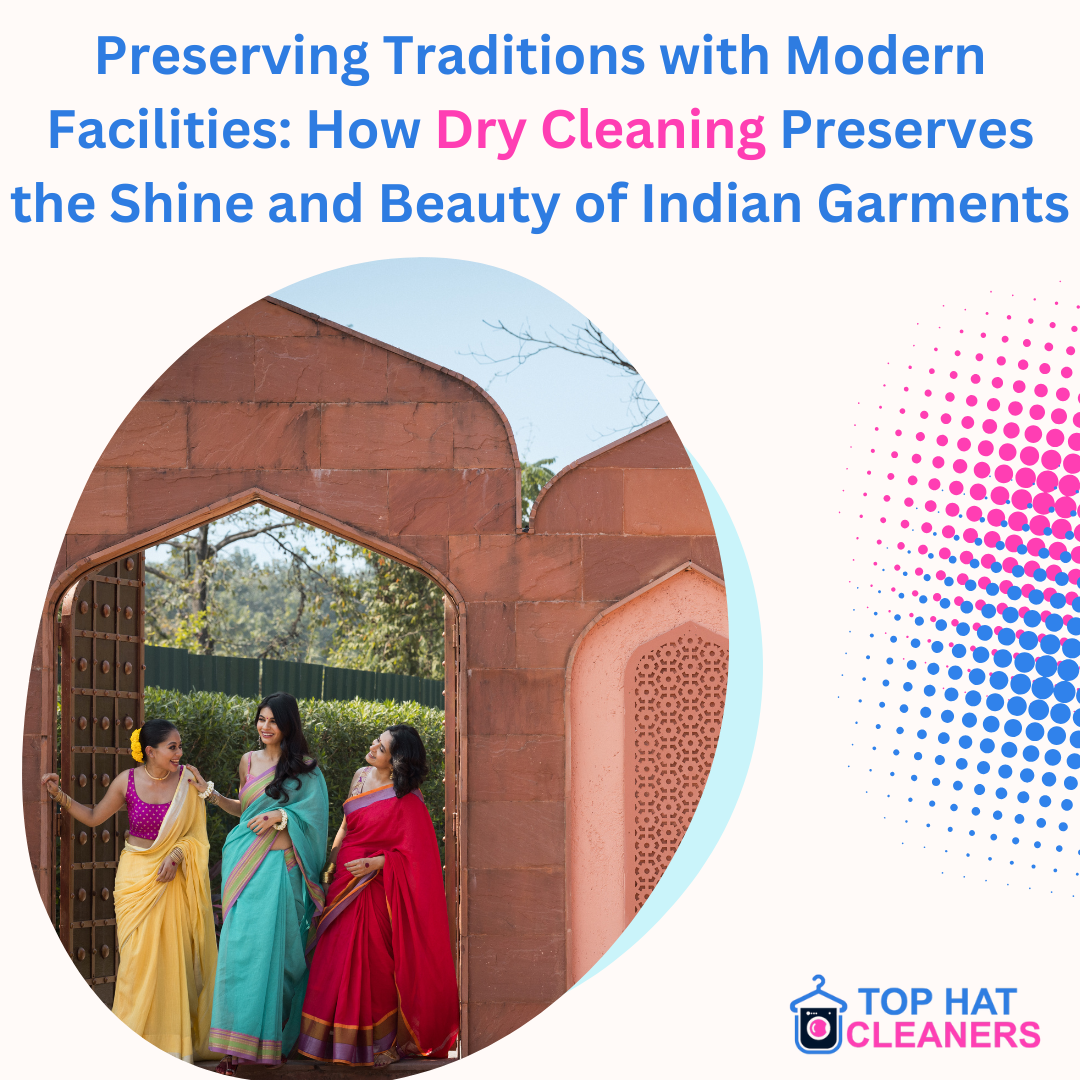
While convenience is the key to modern times and has taken precedence in the present, the beauty of tradition still holds a special place—especially when it comes to clothing. Varied Indian garments like sarees, lehengas, sherwanis, and anarkalis aren’t just a few fashion pieces—they’re a collection of ancient and cultural treasures. But maintaining them in their original look and elegant manner is very important and isn’t always easy.
That’s where professional dry cleaning steps in, offering a practical solution without compromising on tradition.
Suppose you’re looking for Indian Traditional Clothes Dry Cleaning Services in Dallas. In that case, this detailed blog explains why dry cleaning is not just a luxury—it’s a necessity for maintaining the beauty and integrity of your cherished garments.

Why Indian Clothing Needs Special Care
Traditional Indian clothes are made with delicate fabrics like silk, chiffon, georgette, or velvet. Add intricate embroidery, sequins, zari work, and beading, and you have a garment that can’t be tossed in a washing machine.
Washing these at home can:
- Fade vibrant dyes
- Damage or detached embellishments
- Cause shrinkage or distortion in shape
Dry cleaning, on the other hand, is designed to treat such delicate materials with care. It uses solvents instead of water to gently remove stains and dirt without compromising the garment’s structure or design.
How Dry Cleaning Brings Modern Convenience to Traditional Wear
Dry cleaning isn’t just about stain removal. It’s about treating each piece with the attention it deserves. At Top Hat Cleaners in Dallas, we specialize in Indian Traditional Clothes Dry Cleaning Services and understand the cultural value behind each outfit.
Whether it’s your wedding lehenga or a cherished silk saree from your grandmother, our process ensures:
- No color bleeding or fading
- Careful handling of threadwork and embroidery
- Fabric-safe techniques to avoid stretching or tearing
- A fresh, clean look without harsh chemical smells
The Role of Hypoallergenic and Skin-Safe Products
More people are becoming aware of skin sensitivities and allergies related to traditional laundry detergents. That’s why we use hypoallergenic laundry detergent and detergent liquid that is gentle on the skin yet powerful enough to remove odors and stains.
Our products are:
- Free from synthetic fragrances and dyes
- Safe for sensitive skin and children
- Environmentally friendly
This approach helps protect not only your clothing but also your health and the planet.
What Makes Top Hat Cleaners the Go-To in Dallas
Dallas is home to a growing and vibrant South Asian community. With more cultural events, weddings, and festivals taking place year-round, the need for reliable and knowledgeable care for Indian garments has never been higher.
Here’s what sets us apart:
- Expertise in handling complex fabrics and embroidery
- Customized cleaning for each garment
- Environmentally responsible cleaning methods
- Fast, reliable service with a local touch
When you bring your clothing to us, you’re not just dropping it off—you’re trusting us with a part of your heritage, and we don’t take that lightly.
How to Store and Maintain Indian Clothes Between Cleanings
Dry cleaning will take care of the deep cleaning, but how you store your garments between wears is just as important. Here are a few tips to help extend their life:
- Use muslin or cotton bags for storage instead of plastic covers. This allows the fabric to breathe.
- Hang items like sarees and sherwanis to avoid creasing embroidery.
- Keep clothing in a cool, dry area to prevent mildew or discoloration.
- Avoid spraying perfume directly on the fabric—it can stain delicate materials.
- Spot clean with care—never rub; just blot gently with a clean cloth.
Final Thoughts: Tradition Isn’t Meant to Be Compromised:
Indian clothing reflects heritage, artistry, and emotion. It deserves more than a wash-and-fold routine—it requires care that honors its craftsmanship.
At Top Hat Cleaners, we combine the best of both worlds—traditional respect with modern dry cleaning convenience. Our Indian Traditional Clothes Dry Cleaning Services in Dallas are designed to give your cherished outfits the gentle but effective care they deserve, with added attention to your health through hypoallergenic laundry detergent and safe detergent liquid choices.
So whether it’s a once-in-a-lifetime bridal outfit or your favorite festive kurta, trust us to keep it looking beautiful for years to come.
FAQs
Q1: Can you dry-clean Indian garments with heavy embroidery and sequins without damaging them?
Yes, we can. Our team is trained to handle intricate embroidery and delicate embellishments with extreme care. We use specialized, solvent-based cleaning processes that protect the stitching and preserve the shine of the sequins and zari work.
Q2: I have sensitive skin. Are your cleaning products safe for me and my family?
Absolutely. We use hypoallergenic laundry detergent and detergent liquids that are free from harmful chemicals and synthetic fragrances. These are ideal for anyone with allergies, eczema, or general sensitivity to traditional laundry products.
The Cultural Significance of Indian Garments
Indian garments are not merely pieces of cloth — they embody history, heritage, and cultural identity. From the rich silks of South India to the hand-woven cottons of the East, each garment tells a story. Wedding and festive attire often carries generations of memories, sometimes even passed down as heirlooms. Preserving these garments means preserving family stories, traditions, and cherished occasions. With modern dry cleaning, that cultural legacy is protected with precision and care.
How Traditional Fabrics Are Woven and Dyed
Many Indian garments are made through intricate weaving and traditional dyeing processes. Handloom silks, Ikat, Banarasi brocades, and Ajrakh prints use complex, centuries-old techniques. These fabrics hold vibrant colors, delicate weaves, and ornamental details that do not respond well to aggressive washing or water saturation. Dry cleaning helps preserve:
Rich dye patterns
Metallic zari threads
Fine embroidery
Natural fiber strength
Fabric sheen and texture
This specialized care ensures traditional craftsmanship remains intact long after the first wear.
Why Water Can Damage Indian Textiles
Water, while effective for everyday fabrics, can harm delicate weaves and finishes. Natural fibers like silk and wool can:
Lose natural luster
Shrink unevenly
Distort shape
Cause color bleeding
Water can also weaken threads that hold hand embroidery or zari work in place. Dry cleaning avoids these risks by using gentle solvents that protect the essence of the garment while deep-cleaning soil and residues.
Understanding Fiber Sensitivity and Structural Integrity
Many Indian garments combine multiple fabrics or finishes — silk bodies with metallic borders, chiffon drape with embroidered bodices, or cotton with decorative threadwork. These mixed structural zones react differently to water, heat, and motion. Dry cleaning ensures each segment is treated appropriately without compromising overall integrity or shape.
How Suspended Dirt and Oils Affect Fabric Beauty
Garments accumulate more than visible dirt — sweat salts, body oils, fragrances, and environmental particles seep deep into fibers. Over time, these unseen residues:
Dull natural shine
Weaken threads
Attract microbial buildup
Cause odors
Dry cleaning reaches deep beneath the surface, extracting these hidden contaminants without harming the fabric, which maintains the garment’s original beauty.
The Role of Solvents in Protecting Fine Motifs
Professional dry cleaning uses carefully formulated solvents that dissolve oils and embedded soils without water. These solvents penetrate gently, preserving:
Delicate paisley prints
Intricate thread-work
Embellished borders
Fine jacquard weaves
This protects even the most delicate motifs that define traditional Indian attire.
How Dry Cleaning Maintains Embellishment Integrity
Many Indian outfits feature decorative elements like beads, sequins, mirrors, and zari. These accents add beauty but are vulnerable to:
Loosening
Tarnishing
Discoloration
Embroidery distortion
Professional dry cleaners secure delicate trims, treat them with gentle care, and avoid agitation that could cause loss or damage, which preserves both aesthetic and structure.
How Modern Dry Cleaning Technology Supports Fabric Longevity
Advancements in dry cleaning technology today include:
Precise solvent control
Low-temperature cycles for sensitive fibers
Fabric-specific processing programs
Gentle motion patterns
Automated tension management
These technologies ensure deep cleaning while protecting fabric strength, which results in longer-lasting garments that retain their original character.
Customized Cleaning for Fabric Type and Condition
Each garment’s care plan is unique. Dry cleaning professionals assess:
Fiber composition
Weave density
Dye type
Embellishment method
Age and wear level
This allows customized cleaning that respects the authenticity of the garment’s materials and design.
Why Dry Cleaning Enhances Fabric Hand and Drape
A garment’s “hand” — the way it feels and drapes — is an essential part of its beauty. Improper washing can:
Stiffen silk
Weaken woven folds
Flatten pleats
Distort drape
Professional dry cleaning restores the original drape and softness of each piece, preserving the grace and fluidity that define Indian attire.
The Importance of Professional Pressing and Finishing
Cleaning alone is not enough; finishing restores garment form and elegance. Expert pressing:
Resets pleats and folds
Smooths embroidery without flattening
Protects metallic threads
Enhances silhouette and texture
This finishing step ensures outfits look impeccable the moment they are worn.
Caring for Seasonal and Special Occasion Wardrobes
Indian garments are often worn seasonally or for yearly cultural events. Between wears, fabrics may sit folded or stored for long periods. Without proper care, stored garments can:
Develop mildew
Yellow over time
Attract insects
Absorb odors
Dry cleaning before storage removes residues that attract pests and weaken fibers, ensuring garments stay fresh and vibrant.
Storage Best Practices After Dry Cleaning
Once professionally cleaned, garments should be stored thoughtfully to preserve their beauty:
Use breathable fabric garment bags
Avoid plastic covers that trap moisture
Store in cool, dry areas
Refold periodically to prevent permanent creases
Keep moth and pest deterrents for natural fibers
These simple practices extend the results of professional cleaning and protect garments from environmental stress.
Why Occasional Cleaning Matters Even Without Visible Dirt
Even when a garment looks clean, it may still contain:
Invisible oil residues
Sweat particles
Perfume remnants
Airborne pollutants
Fabric decay precursors
Professional dry cleaning extracts these unseen elements, which preserves color richness and fabric strength over time.
How Dry Cleaning Prevents Color Loss and Fading
Indian garments often boast vibrant hues that tell cultural stories. Color fading occurs due to:
Ultraviolet light exposure
Improper washing
Heat stress
Chemical residue buildup
Dry cleaning methods protect dyes by avoiding water and using solvent systems that preserve pigment intensity.
Why Professional Care Beats Home Washing for Delicate Attire
Home washing often uses heat, water, and aggressive detergents that wear fiber surfaces and strip dyes. In contrast, professional dry cleaning:
Uses gentle solvent actions
Avoids fiber swelling
Protects embellishments
Maintains structural detail
Restores sheen and color
This careful balance protects delicate garments from the wear commonly caused by at-home methods.
Dealing With Stains Without Damaging Fabric
Stains on traditional attire vary widely — oil, turmeric, wine, makeup, sweat, and more. Professional cleaners:
Identify stain type
Choose safe pre-treatment
Apply targeted solutions
Avoid damaging delicate fiber bonds
This precision helps lift marks without compromising the garment’s beauty.
The Emotional Value of Preserving Traditional Garments
Traditional Indian garments are often worn during major life events. Preserving them with professional care means:
Keeping memories alive
Maintaining heirloom quality
Passing garments to the next generation
Sustaining cultural traditions
This emotional value makes proper garment care deeply meaningful.
How Dry Cleaning Supports Sustainable Wardrobes
Keeping garments longer through professional care supports:
Fewer replacements
Less textile waste
Smarter wardrobe investments
Reduced environmental impact
This aligns with modern sustainable and mindful consumption values.
How Climate and Environment Affect Garment Health
Dallas and regional climates — sun, humidity, dust, and temperature variations — all stress natural fibers. Professional dry cleaning mitigates environmental impact by:
Removing oxidizing pollutants
Reducing dust embedment
Neutralizing sweat salts
Protecting fiber oils
This environmental balancing preserves garment life.
Why Regular Inspection Prevents Long-Term Damage
Before cleaning, professional technicians inspect garments for:
Loose threads
Weak seams
Insect damage
Fabric thinning
Dye instability
Early detection allows safe repair before further cleaning or wear.
How Dry Cleaning Enhances Daily Wear and Use
Even everyday traditional outfits benefit from professional care. Clean, fresh clothes:
Feel lighter and more comfortable
Look more vibrant
Reduce odor buildup
Support confidence in social settings
Whether casual or celebratory attire, routine professional care elevates everyday use.
Professional Care for Bridal and Festive Attire
Garments worn for weddings and festivals are often lavish and heavily embroidered. These require:
Delicate handling
Special pre-treatment
Careful drying
Hand finishing
Professionals ensure these special pieces remain magnificent and ready for future celebrations.
Tips for Customers New to Professional Care
First-time visitors should:
Discuss fabric type and concerns
Point out stains or weak areas
Ask about cleaning methods
Inquire about storage advice
Schedule ahead of major events
Clear communication ensures the best results.
How Professional Care Restores Sheen and Softness
Over time, fabrics may feel dull or stiff due to residue buildup. Dry cleaning:
Removes embedded contaminants
Restores natural fabric oils
Enhances surface texture
Revives shine and luster
This revitalization makes garments feel closer to new.
The Role of Professional Experience and Skill
Modern facilities use advanced technology, but it’s skilled professionals who:
Assess fabric specifics
Tailor cleaning approaches
Protect delicate details
Deliver consistent, high-quality results
Their expertise bridges tradition and technology.
Final Thoughts on Preserving Indian Garments
Preserving the beauty, shine, and cultural importance of Indian garments requires care that respects both tradition and fabric science. Professional dry cleaning bridges those worlds, keeping treasured clothing vibrant for every occasion, generation after generation.
Careful cleaning extends more than fabric life — it extends stories, memories, and cultural heritage. With thoughtful, expert care, traditional attire remains a timeless expression of art and identity.
