

Leather goods are classy and last forever—the best investment. However, like any other leather item, you have to care for it properly to keep it looking its best. Here are some notes from Dallas-based leathersmiths to help you extend the lifespan of your beautiful belongings.
Know Your Leather:
Before you dive into the care tips, there is an essential prerequisite to knowing the type of leather that you own. All leathers-from full-grain to top-grain, nubuck to suede-have different care methods. Once you familiarize yourself with the characteristics of your leather, it will be easier for you to choose the best cleaning and maintenance routine.
Cleaning Routine
Leather collects dust and dirt and may wear it out prematurely, so keeping it clean will help maintain the appearance and longevity of your leather goods. Here’s how to do it:
- Dusting: Dust leather interiors once every month with a soft, dry cloth to prevent dirt from embedding into the fibers.
- Spot Cleaning: Use a slightly dampened cloth or towel to dab the minor stains. Never soak, as leather absorbs moisture, which can damage it.
- Deep Cleaning: If your leather needs intensive cleaning, you can hire a professional leather cleaning service. One of the specialized leather cleaning service Dallas will bring your items back to life without sacrificing their quality.
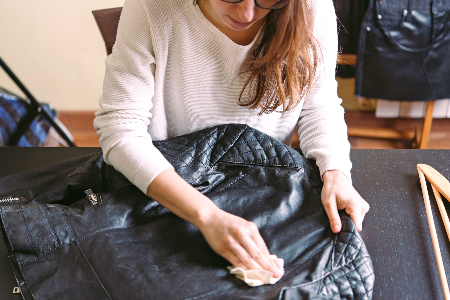
Conditioning Your Leather: Over time, leather will dry and will no longer have the suppleness but will crack and become stiff. Conditioning your leather will keep it supple and promote its inherent shine.
– Choosing the Correct Conditioner:
Conditioning Conditioners specially formulated for leather should be searched for. Do not buy any that contain harmful components or alcohol, as this will damage the leather.
Application: Apply the soft rag so that it absorbs the conditioner following the grain of the leather. Leave for about 15 minutes for absorption, then buff off any excess with a clean cloth.
Frequency: Conditioning takes three to six months, depending on usage and how exposed the leather has been to the elements.
Protect against Elements:
The environment can really damage the leather. Dallas experts offer the following protection tips for moisture and sun damage: Water Resistance: Buy a fine protector spray for leather under high-pressure conditions.
It provides excellent protection against water and stains. Always test in an inconspicuous area.
– Sunlight Exposure: Leaving under the rays of the sun would boil them dry and fade them. Store your pieces in a shaded area or use protective covers when not in use.
– Humidity Control: If you live in a humid environment, consider using dehumidifiers to maintain the proper moisture level for your leather. Repairing Damages Promptly If your leather item has sustained some form of damage, such as scratches or scuffs, attend to it very swiftly, as house leather depreciation follows swift deterioration.
– Minor scratches: Apply leather conditioner or leather wax on excellent scratches to fill in and hide the surface imperfection.
Professional Repairs: For more serious damages, such as deep cuts or abrasions, you need to seek help from professionals. Leather repair services in Dallas can restore these items to their original form so that they will always remain an intrinsic part of your wardrobe.
If your business also involves leather usage, a commercial laundry service near Dallas is sure to help you manage your leather furnishings more easily. They will define the frequency and schedule cleans and repairs to keep the furniture in good condition.
Conclusion:
Caring for your leather items may seem overwhelming, but with some knowledge and good tools, it can become a fulfilling process and last well past your investment. Using these tips from Dallas leather care experts and professional cleaning services wherever needed can keep your leather beautiful and durable for many years to come. Remember, it’s possible to add beauty as much as preserve value for years by taking proper care! Loving the art of leather care will let you enjoy your beloved items for longer periods!
Q1: What are the best practices for maintaining leather items at home?
A1: To keep your leather pieces looking their best, start with regular dusting using a soft cloth to remove dirt and debris. It’s essential to apply a leather conditioner every 6-12 months to prevent drying and cracking. Do not expose your leather to direct sunlight or extreme temperatures, as that would usually result in damage. Always consult a professional for tough stains. Top Hat Cleaners’ specialized leather cleaning service Dallas can bring back your items to their shining glory of longevity and exquisite appearance.
Q2: How often should I have my leather items professionally cleaned?
A2: It is determined by how much you use your leather goods and the frequency of professional cleanings. Everyday items, such as handbags and jackets, need a yearly professional cleaning. Leather furniture or other similar items that are not used very often should be cleaned every couple of years. For significant spills or stains, one should call for immediate professional help. Top Hat Cleaners also has specialized leather cleaning services in Dallas to meet your needs and ensure the endurance of your favorite possessions.
Q3: Can I use a regular commercial laundry service for my leather items?
A3: Treat leather cleaning with considerable care. While the commercial laundry service near Dallas can certainly clean many fabrics, leather should be cleaned differently. Standard washing methods can do serious damage to leather. A specialized leather cleaning service like Top Hat Cleaners is the best way to go, as professionals understand leather care and will use the correct techniques to keep your items safe, functional, and looking well-maintained.
Why Leather Deserves Specialized Care
Leather is unique — it’s a natural material with a complex structure of fibers, oils, and pigments. Unlike cotton or synthetics that tolerate water and agitation, leather responds to moisture, heat, and harsh cleaners in ways that can weaken or damage it if treated carelessly. Professional leather care understands this biology and chemistry. By preserving natural oils and structural integrity, leather retains its suppleness, strength, and aesthetic appeal over decades.
Understanding leather care starts with recognizing that leather is alive in texture but sensitive in chemistry, so every care choice influences longevity.
How Oils and Environmental Pollutants Affect Leather
Leather interacts continuously with the environment. Everyday exposure introduces:
Body oils transferred from hands or necklines
Sweat and skin salts
Pollution particles
Light dust and grime
Household residues
These invisible agents penetrate leather surfaces over time. Body oils may initially seem protective, but as they build up they attract dirt and weaken fibers. Pollutants can dry out the leather or alter its natural pH balance. Recognizing this helps understand why occasional surface cleaning isn’t enough — leather needs professional care that removes embedded contaminants while restoring protective oils.
The Natural Aging Process: Patina Explained
Many high-quality leather pieces develop a patina — a soft sheen or depth of color that forms organically through wear. Patina is often considered desirable because it reflects personal use and unique character. However, aging isn’t just surface beauty; it’s chemistry.
Proper care nurtures this natural transformation without accelerating wear. Professional leather cleaning respects patina by:
Preserving inherent oils
Avoiding bleach-like chemicals
Minimizing abrasion
Maintaining flexible fibers
This ensures patina develops gracefully instead of becoming uneven or patchy.
How Leather Gets Dry and Brittle
Dryness is leather’s biggest enemy. Without natural moisture, leather becomes:
Cracked
Stiff
Fragile
Prone to tears
Factors that dry leather include:
Heat and sun exposure
Low humidity environments
Harsh cleaners
Water saturation followed by drying
Professional leather care uses balanced conditioning to replenish natural oils and maintain flexibility. This prevents brittleness and keeps leather comfortable and resilient.
Spot Cleaning vs. Deep Leather Cleaning
Spot cleaning removes surface marks like light dust or spills. It’s useful for quick refreshes but cannot extract deep-seated residues. Deep leather cleaning — the type professionals perform — targets:
Embedded body oils
Soil trapped in pores
Sweat salts below the surface
Dust between grain and finish
This deeper level of cleaning restores leather integrity and prevents gradual deterioration.
The Importance of PH-Neutral Leather Cleaners
Leather reacts poorly to alkaline soaps and standard detergents. These products strip away not only soil but essential natural oils. Leather-safe cleaners are:
PH-balanced
Free of harsh surfactants
Specifically formulated for natural fibers
Using the right chemistry preserves leather’s texture, sheen, and strength.
How Leather Conditioners Work and Why They Matter
Conditioners are not just “polish.” High-quality leather conditioners:
Penetrate beneath the surface
Replenish lost oils
Restore suppleness
Form protective layers
Prevent drying and cracking
Applied regularly in professional care, conditioners maintain flexibility and prevent the material from becoming brittle or dull.
How Sweat and Salts Affect Leather
Sweat contains salts that can accelerate fiber breakdown. Over time, salt crystals form beneath the surface and draw moisture out — a process that leads to stiffness. Professional leather care identifies these hidden residues and removes them gently before they cause irreversible damage.
How Leather Texture and Grain Change Without Care
Neglected leather may start to:
Flake
Harden
Develop surface irregularities
Lose natural grain definition
Professional cleaning and conditioning maintain the texture and reveal the original beauty of the material rather than allowing it to degrade.
How Sunlight and UV Exposure Affect Leather
UV light breaks down leather’s natural oils and pigments. Prolonged sunlight exposure causes:
Fading
Dryness
Cracking
Loss of depth in color
Storing leather out of direct sunlight and using protective conditioning slows UV damage and guards aesthetic quality.
Leather and Moisture: Why Too Much or Too Little Matters
Water behaves differently on leather. Too much moisture causes swelling and fiber distortion. Too little moisture leads to dryness and cracks. Professional leather care balances moisture levels by:
Using gentle solvent-based cleaning
Avoiding water saturation
Applying conditioning agents
This controlled approach protects leather’s internal ecosystem and prevents damage from extremes.
How to Prepare Leather Items for Professional Cleaning
Before turning your leather over to experts, you can help by:
Brushing off loose surface dust
Pointing out visible spots or stains
Removing detachable straps or hardware
Storing loosely in breathable covers
This information and preparation help the cleaner focus on problem areas and choose the ideal treatment plan.
The Role of Professional Leather Inspection
Professional care begins with inspection. Technicians look for:
Weak seams
Cracks or dry patches
Loose embellishments
Previous damage
Type of finish and dye fastness
This initial step guides decisions on solvents, conditioners, and techniques that protect the item while ensuring effective cleaning.
Why Dryers and Heat Damage Leather
Heat-based drying — such as from a home dryer — is one of the fastest ways to damage leather. Excessive heat:
Dries natural oils
Shrinks fibers
Distorts shape
Weakens seams
Professional drying uses controlled, gentle airflow without direct heat that disrupts leather integrity.
How Leather Jewelry and Accessories Need Care Too
Leather accessories — belts, bracelets, bags, watch straps — accumulate oils from skin contact that can:
Darken leather unevenly
Soften fibers excessively
Weaken stitching
Alter surface texture
Professional cleaning removes unseen residues and conditions these pieces to retain shape and strength.
How Leather Footwear Benefits From Professional Cleaning
Shoes and boots face daily stress: sweat, road salts, oils, and abrasion. Care professionals:
Remove embedded salts and oils
Restore surface oils
Condition creased areas
Protect seams and soles
This keeps leather footwear comfortable and durable season after season.
Why Embossed and Textured Leather Requires Special Attention
Leather with embossing or texture responds differently to pressure, moisture, and solvents. Professional care understands how to:
Clean without flattening texture
Condition evenly
Maintain embossed definition
Protect raised surfaces from abrasion
This preserves design detail while preventing distortion.
How Leather Colors Change Over Time
Leather dyes can fade, deepen, or shift if exposed to:
UV light
Sweat salts
Harsh cleaners
Residual chemicals
Professional care stabilizes color through gentle cleaning and conditioning, preventing uneven fading.
How Leather Finishes Are Preserved
Leather items often have protective finishes that give them sheen and resistance. These finishes can degrade with improper cleaning. Professional cleaners:
Protect finishes from solvents that strip oils
Select conditioning products that reinforce surface coatings
Avoid abrasive techniques that dull shine
This safeguards the look and feel of finished leather.
The Importance of Professional Leather Reshaping
Many leather pieces — jackets, bags, belts — have structured shapes. Improper care can distort these forms. Dry cleaners use:
Forms and molds
Controlled tension support
Low-pressure reshape techniques
Gentle steam shaping
These restore original silhouettes without stressing subjects.
How Professional Cleaning Enhances Leather Longevity
Well-cared leather can last decades. Professional cleaning:
Removes hidden residues
Prevents fiber weakening
Protects against fading
Maintains surface softness
Reduces risk of cracks and tears
This enhances return on investment for quality leather goods.
How Leather Care Affects Odor Neutralization
Odors in leather often come from sweat, smoke, or environmental exposure. Surface deodorants mask smells, but professional care:
Extracts odor particles deeply
Avoids heavy fragrance masking
Uses odor-neutralizing agents
Protects leather without residue
This creates true freshness rather than superficial scent.
Why Leather Needs Periodic, Not Constant, Professional Care
Leather doesn’t require constant cleaning — over-care can strain fibers. Instead, schedule professional cleaning:
After visible stains
Before seasonal storage
After heavy wear
When odors persist
When texture changes
This balances preservation with maintenance.
Common Leather Care Mistakes to Avoid
Leather owners often make these errors:
Using water or detergent
Applying oil-based household products
Ignoring weak seams
Storing in plastic bags
Drying in direct heat
Avoiding these habits preserves leather strength and appearance.
How Leather Storage Affects Lifespan
Proper leather storage involves:
Breathable garment bags
Cool, dry spaces
Avoiding sunlight
Using padded hangers
Occasional air circulation
Good storage reinforces professional cleaning efforts.
How Climate Conditions Influence Leather Care
Hot summers and dry winters stress leather differently. Seasonal professional care adjusts:
Conditioning intensity
Cleaning frequency
Moisture balance
Storage recommendations
This climate-responsive approach protects leather year-round.
How Leather Reflects Personal Style and Identity
Leather pieces — jackets, bags, boots — express character and lifestyle. When cared for properly, they:
Stay visually striking
Feel natural to wear
Complement wardrobe goals
Elevate personal style
Professional care reinforces the emotional and aesthetic value of leather.
How Leather Care Supports Sustainable Wardrobes
Longer-lasting leather reduces the need for frequent replacement. This supports:
Less waste
Fewer resources consumed
More mindful fashion habits
Better returns on investment
Sustainable wardrobes prioritize longevity over disposability — and leather care is part of that mindset.
How Professionals Handle Specialized Leather Types
Exotic leathers — ostrich, lambskin, reptile, patent finishes — require unique care. Professionals understand:
Fiber structure differences
Sensitivity levels
Specialized solvent compatibility
Embellishment protection
This expertise protects rarer, more delicate leathers from damage.
Why First-Time Leather Customers Should Communicate Details
When bringing leather items for professional care, share:
Fabric and lining info
Known stains
Exposure history
Odor concerns
Storage details
Clear communication improves results and protects value.
How Leather Care Fits Into Your Lifestyle
Professional leather maintenance aligns with daily life by:
Saving time
Reducing worry about damage
Ensuring confidence in appearance
Reinforcing style identity
Protecting meaningful possessions
This makes leather care a seamless part of wardrobe upkeep.
Final Thoughts on Preserving Leather
Leather needs thoughtful, expert care to remain supple, rich in color, and structurally sound over years of use. Professional leather cleaning goes beyond surface care — it protects texture, removes residues, restores natural oils, maintains finishes, and prevents future damage.
Caring for leather isn’t just a chore; it’s an investment in durability, style, and personal expression. With proper professional support, your favorite leather pieces will stay comfortable, beautiful, and ready to wear for many seasons to come.
