
In a city as colorful and cosmopolitan as Dallas, the influence of Indian Culture can be felt in different spheres of life, including fashion. This blog looks into the value of Indian fabrics from a cultural perspective and also stresses the need for Indian ethnic wear dry cleaning services in Dallas.
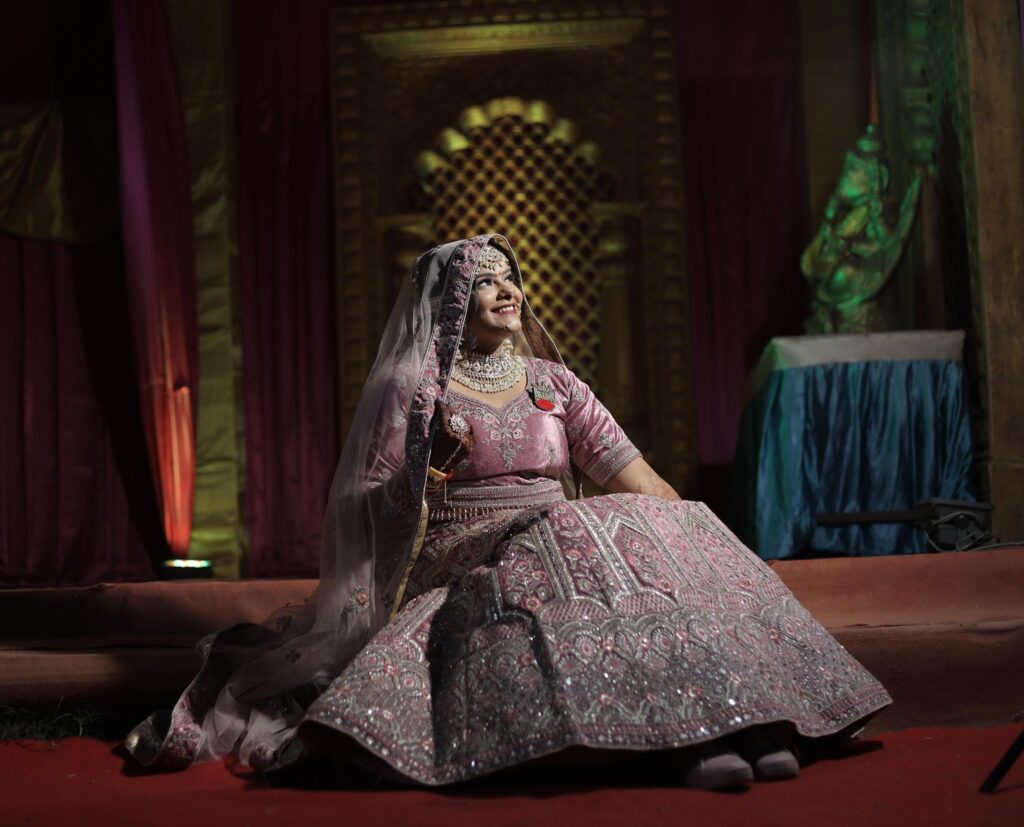
The Essence of Indian Attires:
The Indian textile costumes are more than just clothes; they are also the centuries’ worth of work Mother Art has invested in them. Every single item, in this case, whether a saree, a lehenga, or even a kurta embroidered with various kinds of artistry, tells a story of the people from where it has come from. Therefore, fabric care preservation of these garments is also essential. However, most people need to learn the specific ways of caring for these dresses, which are actually works of art.
In Fulfillment of the Ethnic Wear, Care Comes Last:
Taking care of Indian traditional wear is not only about washing those fabrics. It is inherent in respecting the skill and history attached to every single piece. Indian dress is, in most cases, something of great importance, regarded as an heirloom, and worn over generations. Such garments will be well taken care of so that their wearability will extend to subsequent members of the family.
Many people think of clothing care as simple. Still, Indian fabrics such as silk, cotton, and even chiffon, when used in clothing, have cleaning procedures that are unlike those for regular clothing maintenance. Being ignorant of these fabrics can result in destruction and irreparable tears in the fabrics. This is where the assistance of experts comes into play.
So, What do Professionals offer the Need for Dry Cleaning Services?
Dallas wedding dress dry cleaning services have to be hired carefully, especially if clients are to observe local customs. Indian clothing is usually adorned more than in other countries; such attires possess complex patterns, embroidery, and loud colors that need special treatment. Such a service is aware of these materials and offers suitable options that will help enhance their longevity.
Necessary Dry Cleaning Advantages:
Very few Indian garments may be washed at home. It is common knowledge that garments dry cleaned possess leather material that is well cared for by trained specialists.
Avoiding Colour Leaks:
Most ethnic Indian dresses have fabrics or dyes that are prone to bleeding or staining, especially when they are deep in color. Experts use specific methods to prevent the mixing of colors and preserve the newness of the clothes.
For A Very Long Period:
Appropriate maintenance can improve or restore your clothes’ original state. This is because the products and techniques used in most dry cleaning establishments to prepare the garment for warehousing storage eliminate the causes of garment deterioration.
The Prominence of Sustainability in the Fashion Industry
Sustainable practices in clothing are increasingly gaining relevance in the modern era. Selecting Indian ethnic wear dry cleaning services for expert women in Dallas is an excellent example of purposeful buying. When one opts for qualified services that involve extensive care in the handling of costumes, such practices advocate for Sustainability without compromising cultural beliefs.
Educate the People:
There is active Indian immigrant-oriented engagement in a variety of music and dance-related events and festivals in Dallas. As a result, there is a chance to educate the people on proper handling of the fabrics to support the customs. Thus, Top Hat Cleaners, by joining hands with local institutions and holding workshops, can make people aware of how important it is to care for cultural fabrics.
The attention to detail in terms of the practices not only improves the experiences of individual wearers of Indian clothes but also fosters bonding within the community as members preserve their cultures.
Conclusion
While clothing is an element, Indian fabrics in Dallas are even more about heritage, tradition, and family. Opting for professional Indian traditional clothes dry cleaning services in Dallas is a way of ensuring that your outfits maintain their beauty and integrity together with the stories and history they represent.
As we enjoy the beauty of diversity and cultural richness in Dallas, we should also promise to keep these traditional wears and fabrics. Rely on Top Hat Cleaners for your wedding dress dry cleaning service in Dallas, and see why we hold dear the art of caring for your garments even for years after the big day. We can all play our part in keeping our customs and beliefs alive and active, rich with stories that educate and motivate.
Q1: In a cosmopolitan city such as Dallas, why is it necessary to care for traditional Indian garments?
A1: Care needs for Indian traditional garments are essential since the clothes have a lot of culture associated with them. Regular upkeep with the aid of specific cleaning facilities, like Indian Traditional Clothes Dry Cleaning Services Dallas, maintains the brilliant hues and light decorative features, allowing the wearers to confidently wear the dresses during festivals, weddings, and other cultural events.
Q2: When looking for a wedding dress dry cleaning service in Dallas to suit my Indian outfit, what factors should we consider?
A2: Choosing a wedding dress dry cleaning service in Dallas for your Indian outfit requires that you consider a cleaner that handles sensitive materials and intricate designs. Look for a service that understands the complexities of Indian outfits, including beadwork, sequins, and inner silk or brocade materials. As an authority in Indian Traditional Clothes Dry Cleaning Services Dallas, Top Hat Cleaners employs safe and biodegradable products that guard your wedding dress against damage while retaining its serene look and artistry. Always ask them about their knowledge of working with Indian clothing to ensure that your beloved outfit receives the best treatment possible.
The Broader Cultural Context of Indian Fabrics
Indian fabrics are not merely textiles. They are living pieces of cultural expression, history, artistry, and identity. Each drape, weave, and motif carries meaning—representing regional traditions, centuries-old craftsmanship, and community narratives. Caring for Indian fabrics, especially within a diaspora community like Dallas, is both an act of preservation and connection to heritage.
In India, garments such as silk sarees, embroidered lehengas, bandhgalas, and handwoven shawls are associated with life’s most meaningful events—births, festivals, weddings, rites of passage, and celebrations of milestones. In Dallas, where Indian families live away from their ancestral roots, these garments become symbolic links to ancestry and memory.
Proper care of these fabrics does more than protect material value. It sustains emotions, strengthens cultural continuity, and allows future generations to appreciate traditional arts. Each fabric becomes a time capsule, carrying stories from one era to another.
Generational Legacy Through Fabric
Many Indian families treasure specific garments as heirlooms. A grandmother’s wedding saree, a mother’s festive kurta, or a child’s first celebration outfit may be preserved for future generations. These fabrics are not just cherished for their beauty, but for their history and the personal stories they carry.
When these garments are cared for and maintained over time, they become physical connections between ancestors and descendants. This generational legacy fosters a sense of identity and belonging, especially in immigrant communities. Proper fabric care ensures these heirlooms remain vibrant, whole, and wearable—even decades after they were first worn.
Fabrics as Cultural Identity Markers
Indian fabrics are identifiers of community, region, and social narrative. Each region in India has its unique textile tradition:
Silk from the south
Handloom weaves from eastern states
Block prints from western regions
Intricate embroidery from northern areas
In a multicultural city like Dallas, Indian fabrics visually express cultural pride. Wearing traditional garments at cultural events, weddings, and festivals reinforces identity. They tell a story of family heritage, community belonging, and respect for tradition.
Caring for these fabrics with specialized methods shows not only aesthetic awareness but also cultural respect. It emphasizes the importance of safeguarding identity in a diverse society.
The Role of Ritual and Ceremony in Fabric Preservation
Indian cultural events are rich with rituals, and garments play a central part in these traditions. Whether it’s tying the sacred thread, applying ceremonial turmeric, or performing traditional dances, garments participate in rituals that define spiritual and social meaning.
These fabrics also become part of communal memory. Photographs, stories, and experiences tied to a particular garment enhance its sentimental value. Imagine a bride’s saree worn during a blessing ceremony, or a kurta worn at a family gathering hundreds of miles from home. Care practices ensure these memories are preserved without loss of fabric quality or color richness.
Proper preservation allows families to revisit these memories, display garments on special occasions, and pass them down as treasured pieces of heritage that carry emotional and cultural narratives.
Caring for Fabrics as an Act of Respect
Caring for Indian fabrics goes beyond maintenance. It is an act of respect towards the artisans who created them. These textiles are often handcrafted with hours of labor, skilled weaving, complex dyeing techniques, and meticulous embroidery. Each textile represents the skill of hands that dedicated time and artistry to produce fabrics with unique storylines.
When families in Dallas invest in proper care, they honor that labor. They acknowledge the time, tradition, and creativity embedded in every fiber. This respect reinforces the global appreciation of Indian craftsmanship and supports cultural continuity even outside the region of origin.
The Emotional Weight of Fabric Damage
To own and wear an Indian garment involves emotional risk. A torn seam, a faded color, or a missing sequin can feel like the loss of something far greater than material value. These damages often evoke disappointment, sadness, or regret—especially when associated with major life events.
Because of this emotional weight, repairing such damage is not just technical—it is sensitive. Specialized care professionals understand this emotional dimension and treat fabrics with an empathy that goes beyond routine washing. They approach every garment as a vessel of memory and meaning.
Preserving Symbolism in Special Garments
Some Indian garments carry symbolic or ritual importance. For example, wedding attire might include specific colors or motifs believed to bring prosperity and harmony. Festival outfits may employ certain patterns that convey spiritual significance.
Preserving the visual integrity of these garments preserves their symbolism. Maintaining original color brightness, ensuring motifs remain intact, and preventing distortion helps uphold the symbolic meaning of each design.
Traditional Techniques and Modern Preservation
Traditional Indian textiles are often made using artisanal techniques passed down through generations—handloom weaving, natural dyeing, block printing, silk weaving, mirror work, and thread embroidery. These techniques require careful attention when cleaning and preserving.
Modern preservation methods combine the best of traditional knowledge and scientific cleaning practices. Expert professionals use fabric-safe techniques that respect the original craftsmanship while harnessing advanced cleaning solutions. This synergy ensures that the fabric’s artistic value, texture, and colors are preserved without exposing the delicate material to future harm.
Challenges in Caring for Indian Fabrics in Non-Native Environments
Living in a city like Dallas presents unique challenges for caring for traditional Indian fabrics. The local climate, environmental conditions, and availability of specialized care options can all impact garment longevity.
Dry environments can cause delicate fabrics to become brittle over time. Strong sun exposure may fade colors. Dust and pollution from urban environments can settle deeply in fabric fibers. It is essential to adopt cleaning and storage practices that mitigate these environmental risks.
Professional fabric care services that understand both Indian textile needs and local environmental conditions offer a customized approach adapted to these unique challenges.
The Impact of Community Celebrations
Indian communities in Dallas regularly organize cultural events, including dance festivals, music gatherings, religious observances, and weddings. These events highlight traditional attire and foster cultural exchange. When individuals care for clothes properly, they contribute to the dignity and beauty of these community celebrations.
Vibrant and well-preserved outfits elevate the visual and cultural richness of cultural gatherings. They reflect not only an individual’s taste but also a collective respect for tradition and cultural expression.
Educating the Next Generation
Proper fabric care also empowers the next generation to appreciate cultural aesthetics. Children who grow up seeing garments maintained with care learn values such as responsibility, respect for tradition, and pride in heritage. This education ensures that the significance of Indian textiles transcends generations.
When children understand that these fabrics are more than clothes—they are legacies—they treat them differently. They adopt mindful wearing habits. They learn careful storage practices. They develop respect for cultural artifacts embodied in fabrics.
Economic Support for Artisan Communities
Preserving Indian textiles also has connections to economic sustainability for artisan communities. When traditional fabrics maintain their relevance and demand, the cultural crafts that produce them continue to thrive.
Caring for these fabrics in diaspora communities like Dallas supports global appreciation for Indian textiles. It encourages cultural preservation on an economic scale. Increased demand for traditional fabrics encourages the continuation of weaving, dyeing, and embroidery traditions in their regions of origin.
Encouraging Sustainable Fashion Through Proper Care
Indian traditional fabrics are often made from natural fibers and handcrafted using sustainable methods. Caring for these garments extends their life, reduces the need for frequent replacement, and aligns with sustainable fashion principles.
Rather than treating garments as disposable fashion items, cultural preservation and specialized care emphasize long-lasting quality. This approach rejects fast fashion trends and promotes mindful consumption and sustainability rooted in cultural respect.
The Intangible Value of Cultural Memories
Ultimately, the true value of Indian fabrics lies in the memories woven into each piece. These garments act as historical artifacts of personal and cultural narratives. They testify to celebrations, rites, relationships, and moments of joy.
Preserving them with care keeps memories alive and allows families to revisit these moments as living stories. These fabrics become archives of emotion, capturing laughter, tears, blessings, and shared celebrations.
Conclusion
Caring for Indian fabrics in Dallas is more than a matter of cleaning and storage. It is an act of cultural preservation, emotional respect, and connection to heritage. These textiles are bridges between past and present, carriers of tradition, and symbols of identity.
When families invest in proper care, they honor ancestors, empower future generations, and celebrate cultural richness. Each folded fabric, each preserved color, and each intact motif becomes a tribute to artistry, legacy, and memories that shape lives.
Preserving Indian fabrics is preserving culture, history, and the enduring beauty of tradition that transcends time and distance. It is a testament to the values, beliefs, and emotional bonds that make these textiles priceless in the fabric of life itself.

